Natural disasters, intense sun, and high humidity define Florida’s climate, making roof durability a major priority for you as a homeowner or property manager. If you want an option that can stand up to hurricane-force winds and save on energy costs, metal roofing is worth your attention. Installing metal roofing profiles in Florida can deliver both peace of mind and a positive return on investment over the life of your home or building. From exposed fastener to standing seam, each profile offers specific benefits. Below, you’ll discover how these profiles meet strict building codes, reduce cooling expenses, and maintain their appearance in Florida’s unique environment.
Understanding metal roofing profiles in Florida
Metal roofs come in various types, each with different fastening systems and visual styles. When you look at metal roofing profiles Florida has to offer, you typically see two major categories: exposed fastener and standing seam (also called hidden fastener). You might also encounter stone-coated steel or specialty metals like aluminum and copper. Although these profiles differ in cost, lifespan, and aesthetic appeal, what they have in common is unmatched resilience in coastal and hurricane-prone areas.
Why these profiles matter
Every roofing profile design ensures different levels of weather protection and efficiency. In Florida, wind uplift and moisture infiltration are big concerns. Choosing the right profile helps you meet Florida building codes that mandate high standards for wind and impact resistance. It also ensures you make the most of your initial investment. By matching a metal roofing design to your local conditions—coastal salt air vs. inland humidity—you can enjoy minimal maintenance, extended warranties, and the confidence that you’ve chosen a roofing system proven to handle Florida’s harsh climate.
Benefits of metal roofing in Florida’s climate
Metal roofs offer numerous advantages that make them especially suitable for Florida. Many standard roof materials break down quickly under high heat, heavy rain, and frequent storms. By contrast, metal roofing excels in these conditions, often lasting decades longer than conventional shingles.
Metal roofs are widely regarded for:
- Long lifespans. They can last 30 years or more, significantly outpacing most asphalt shingles.
- Minimal maintenance. Metal resists moss, algae, and mold growth, so you spend less time and money on upkeep.
- Energy efficiency. Reflective coatings insulate your home and may reduce cooling costs up to 25%.
- Fire safety. Metal roofs do not combust during lightning strikes, which is critical in a storm-prone state.
In some parts of Florida, insurance companies also reward you for choosing metal by offering discounts on homeowner policies. These insurers recognize metal’s superior performance against wind-blown debris, being less likely to experience extensive damage in a hurricane.
Choosing the right metal roofing materials
Selecting the ideal material is just as important as picking a profile. In Florida, aluminum and Galvalume steel are common choices because they offer strong corrosion resistance. Aluminum is lightweight and naturally resists salt spray, making it popular in coastal neighborhoods. Galvalume steel has a high-quality protective coating that defends against rust and tarnishing, which is crucial in humid inland regions. Certain premium metals, such as copper, give a distinctive look but typically come at a higher cost.
You also have the option of stone-coated steel, which blends the durability of metal with the textured appearance of traditional shingles or tiles. One company that manufactures stone-coated steel roofing is DECRA. Their interlocking panel systems meet rigorous testing protocols, including resistance to wind uplift and hail impact. DECRA’s panels are lab tested at wind speeds beyond 110 mph, and they’re backed by warranties for winds up to 120 mph, making them a reliable choice if you want the look of tile while preserving the superior resilience of metal [1].
Exposed fastener vs. standing seam
When exploring metal roofing profiles Florida homeowners typically evaluate two major types. Each provides a different approach to fastening metal panels, as well as a unique look.
Exposed fastener roofing
In exposed fastener systems, screws or nails pass through the metal panels and remain visible. Commonly known as corrugated roofing or 5V, these products are often the most budget-friendly metal roofing choice. They’re relatively easy to install and can be quite durable when properly maintained. However, because the fasteners pierce the surface, you’ll need to check the screw seals and washers periodically to avoid leaks or rust issues. In Florida’s humid environment, corrosion around these fasteners may become more likely over time, especially if you’re close to saltwater zones.
Standing seam metal roofing
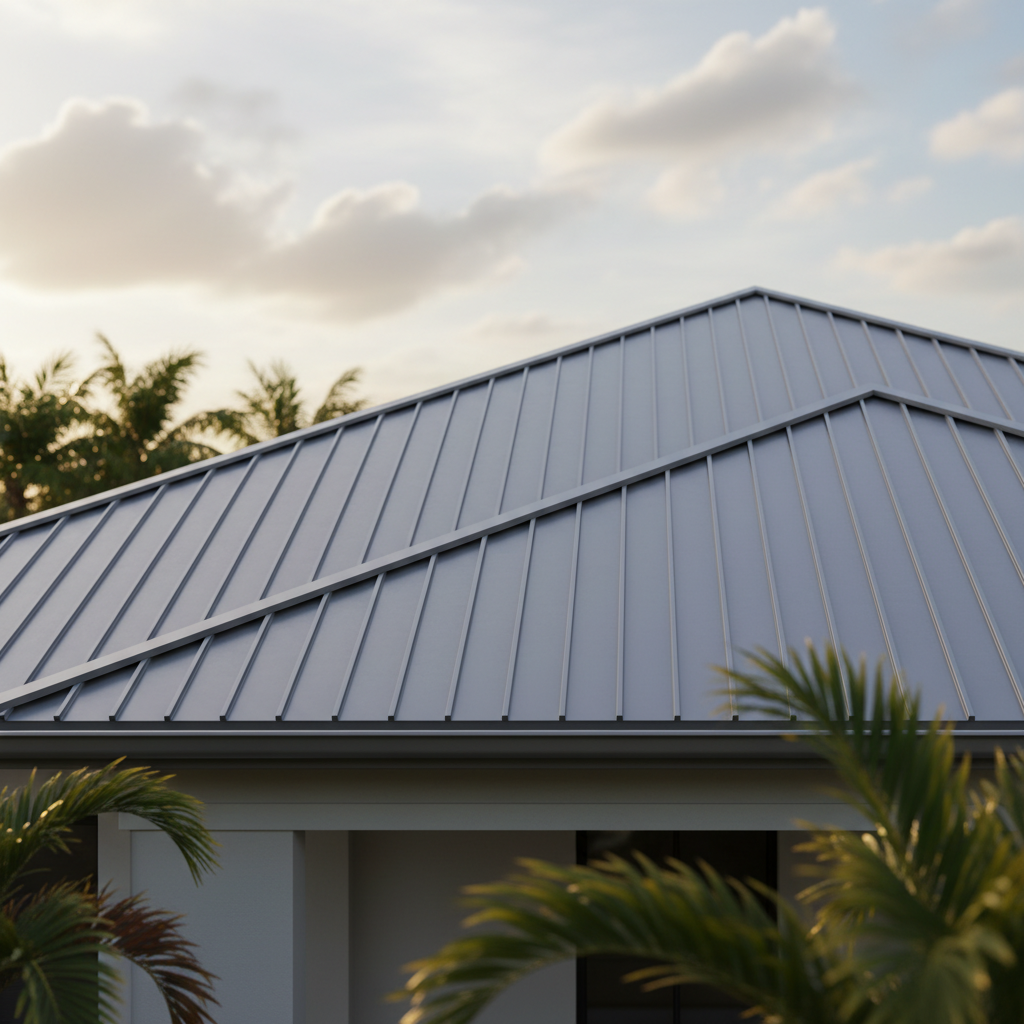
Standing seam, sometimes called a hidden fastener system, features long vertical panels joined by raised seams. This design conceals all screws or clips beneath the panels, making it more watertight and visually streamlined. Florida contractors often favor standing seam metal roofing for its reliability in hurricane-force winds. The concealed fasteners eliminate points of water intrusion, while the raised interlocking seams significantly reduce the risk of wind uplift. This top-tier performance does cost more than exposed fastener systems, but you can expect fewer maintenance concerns and a lifespan that can extend beyond 40 years.
If you want a deeper look at why standing seam is a preferred solution in regions vulnerable to tropical storms and hurricanes, you can explore standing seam metal roofing florida contractors to learn how local professionals integrate these panels with strict building codes.
Meeting Florida’s hurricane codes
Florida enforces stringent building codes to ensure roofing systems can withstand the extreme weather that comes with hurricane season. Frequent updates to these codes focus on enhanced resistance to high winds, wind-driven rain, and flying debris. As a result, metal roofing profiles in Florida must be tested and certified for certain wind ratings—sometimes up to 140 mph or more. Standing seam and certain stone-coated steel products are frequently recommended if you’re seeking a roof that can pass these rigorous standards and retain its strength for many years.
How code compliance affects you
A hurricane-rated metal roof not only protects your property but also reduces the potential for costly damage in severe storms. Code-compliant designs can also impact your homeowners insurance. Many companies recognize that metal stands up better to wind-driven rain, so you may see lower premiums on your policy. For additional security, some homeowners look to special fasteners, structural underlayment, and trim components to reinforce their new roof system. If you want to explore roofing solutions specifically focusing on hurricane resiliency, you can review hurricane proof roofing solutions florida for detailed advice on installation methods and code updates.
Energy efficiency and cost savings
Florida’s blazing sun and high humidity can send your cooling bills soaring. This is where metal roofs really shine: the reflective coatings and finishes used on modern metal roofing can drastically reduce heat absorption. Some premium coatings even reflect enough heat to cut your monthly cooling costs by up to 25%. With a reflective metal surface, your attic stays cooler, and your air conditioner faces a lighter load. While the purchase price of a metal roof is higher than basic shingles, it frequently pays for itself through lower utility bills, fewer repairs, and a substantially longer life span.
Myths about metal roofing and heat
You might have encountered the misconception that metal roofs increase interior heat. In reality, a properly coated and well-ventilated metal roof often does the opposite, as it disperses solar energy rather than trapping it. In fact, specialized pigments can be added to protect the finish from sun damage, further extending the life of the roof. Alongside that, insulation plays a huge role. Ensuring your attic is well-insulated underneath the metal panels contributes to a snug, energy-efficient home.
Comparing popular metal roofing profiles
To help you see how different metal roofing profiles in Florida stack up, here’s a quick comparison table showcasing some common categories. Keep in mind that proper installation, underlayment selection, and regular inspections all help prolong service life.
| Profile type | Aesthetics | Durability in FL Climate | Cost Range (per sq ft)* | Maintenance Requirements |
|---|---|---|---|---|
| Exposed Fastener (5V) | Corrugated look, visible fasteners | Good with routine checks | $5–$12 | Check fasteners for leaks |
| Standing Seam | Sleek, concealed fasteners | Excellent, wind & water safe | $10–$25 | Minimal, highly durable |
| Stone-Coated Steel | Simulates tile/shingle appearance | Excellent, interlocking panel | $$ to $$$ (varies by brand) | Low, check protective coats |
| Aluminum | Smooth or textured panels | Excellent, rust-resistant | Similar to standing seam costs | Very low, suit coastal zones |
| Copper or Specialty Metal | Premium, distinct patina | Superb rust/corrosion proof | $$$ | Minimal upkeep, higher cost |
*Approximate pricing based on Florida market conditions. Actual figures vary by region, roof complexity, and your installation choices.
Longevity and warranties
Many metal roofs designed for Florida earn warranties ranging from 30 to 50 years. Warranties can include coverage for paint or coating finishes, wind uplift performance, and even hail impact. Be sure to check the specific terms of your warranty so you know exactly what is covered. You’ll often find that standing seam and stone-coated steel panels come with longer and more comprehensive warranties than cheaper exposed fastener roofs.
Stone-coated steel systems, such as those produced by DECRA, employ interlocking edges that strengthen the entire roof deck. Some warranties guarantee wind protection up to 120 mph or greater. If you’re exploring roofing solutions for high-risk areas, looking into features like Lifetime Limited Warranties or certified wind uplift ratings can give you peace of mind that your investment is protected.
Maintenance tips for metal roofs in Florida
While metal roofs require less frequent upkeep than other materials, Florida’s climate still demands periodic inspections. Sand, salt, and storm debris can accumulate and degrade your roof if left unchecked. By following a basic checklist, you can keep your roof looking and performing its best:
- Clear any leaves or branches after storms, especially in panel seams or valleys.
- Inspect fasteners or seam caps yearly for loosening, especially if you have an exposed fastener system.
- Rinse with a garden hose to remove salt or algae buildup, particularly near coastal areas.
- Keep gutters free of clogs to prevent water back-up along edges.
In many cases, a biannual inspection by a qualified contractor ensures minor issues are caught early. You can also invest in a protective underlayment if you want extra moisture resistance. Using a high-quality underlayment can reduce water intrusion by as much as 40% during Florida’s heavy rains.
Selecting a reputable installer
Even the best metal roofing profiles can fail if the installation isn’t handled properly. Make sure you hire a licensed professional who follows Florida Building Code guidelines for fastener spacing, underlayment, and flashing details. If you want to read more about the critical factors affecting hurricane durability, check out metal roof durability hurricane florida. You can learn which additional reinforcements may help reduce damage when the next major storm hits.
Common mistakes to avoid
• Installing in poor weather. Aim for a dry, calm forecast so adhesives and underlayments can set correctly.\
• Skimping on underlayment. A cheaper underlayment might save a few dollars initially, but you risk moisture penetration.\
• Improper fastener spacing. Following manufacturer guidelines for fastener patterns is crucial for wind uplift resistance.
If you’re looking for guidance on a brand-new roof installation in Florida, consider connecting with an experienced team that understands local codes and best practices. For example, you can explore metal roofing services such as offered by Alligator Roofing in Bradenton, Florida to see how professionals approach the process from start to finish.
Maximizing curb appeal
Metal roofing isn’t just functional; it can also elevate the look of your home or building. With various panel styles and color options available, you have plenty of design flexibility. If you want a more traditional feel, stone-coated steel roofing can mimic clay tiles or wood shakes without the constant upkeep. For contemporary properties, standing seam offers sleek lines that blend nicely with modern architecture. You can also opt for tinted coatings that complement your home’s exterior or landscaping.
Matching your neighborhood style
If your area has homeowner association rules, verify whether metal roofing is permitted or if there are requirements regarding color or style. Fortunately, many metal panels receive endorsements from HOAs that recognize their long-term value and visual appeal. You can also enhance curb appeal by choosing trim, flashing, and gutters in coordinating or complementary colors. This attention to detail can make your roof upgrade look like a planned design element—rather than just a utilitarian necessity.
Frequently asked questions
You might still be wondering about some practical aspects of having a metal roof in Florida, especially if you’ve heard contradictory claims.
Does a metal roof make my house hotter?
No. Metal reflects a significant amount of solar heat, and with the right pigment or finish, it can keep your attic cooler than asphalt shingles. Proper ventilation and insulation are the real game-changers for interior temperature control.
Is metal roofing noisy during Florida rains?
When correctly installed with appropriate underlayment, metal roofs aren’t significantly noisier than traditional roofs. The combination of insulation, barriers, and secure fasteners helps dampen sound from heavy rain or hailstorms.
Can metal roofing be walked on safely?
It can, but you should follow manufacturer guidance on proper footwear and footing to avoid damaging the panels. Standing seam roofs typically have specific points along the seams that can bear weight well. Exposed fastener roofs may require you to step on the supports or battens beneath the panels.
Is metal roofing worth the higher cost?
For many Florida homeowners, the answer is yes. You’ll enjoy a robust, hurricane-resistant roof, plus energy savings that help offset the initial investment. If you stay in the home long-term, the extended lifespan and lower maintenance needs often pay off in the end.
Planning your next steps
Upgrading to a metal roof in Florida can involve a few key choices: selecting the right profile, picking a corrosion-resistant material, and ensuring compliance with local codes. Don’t forget design considerations like color and finish. You not only want a roof that stands up to hurricanes, but also one that looks great and saves you money on cooling costs.
If you’d like more guidance, you can look into top metal roofing profiles in Florida for even more details about different panel configurations. Reading testimonials, verifying licensing, and comparing warranty terms are all part of doing your homework before signing a contract.
Metal roofing isn’t just about longevity, it’s an investment in reduced stress. While everyone hopes Florida’s storm season is mild, it pays to be prepared with a roof built to weather the worst. And if you’re planning to install a new roof from scratch, consulting professionals at https://alligatorroofing.com/new-roof-installation-bradenton/ can help you navigate local regulations and best practices.
Key takeaways
Metal roofing profiles Florida residents rely on, particularly standing seam and stone-coated steel—offer an ideal balance of strength, energy efficiency, and code compliance. Before deciding which profile is right for you, factor in:
• Your geographic location (coastal vs. inland) and local salt exposure\
• Wind rating and impact-resistance requirements from state codes\
• Material choices like aluminum or Galvalume for corrosion prevention\
• The look you want to achieve, whether traditional or contemporary\
• Warranty coverage that addresses wind uplift, hail, and finish durability
By choosing a high-quality metal roof for your Florida property, you invest in long-lasting protection from storms, heat, and frequent rainfall. You also stand to reduce maintenance hassles and potentially lower your energy expenses. That combination of durability and energy savings means you can enjoy peace of mind during hurricane season while still maintaining a roof that looks great year after year.
References
- (DECRA)