Standing seam metal roofing remains a top choice for Florida contractors and homeowners who want a sturdy, long-lasting, and energy-efficient system. When you explore standing seam metal roofing in Florida, contractors are quick to point out its hurricane resistance, sleek appearance, and potential for lower long-term costs. Below, you will learn the essential reasons Florida contractors recommend standing seam metal roofing, along with how this roofing profile can benefit your home’s comfort and protection.
Understand standing seam metal roofing
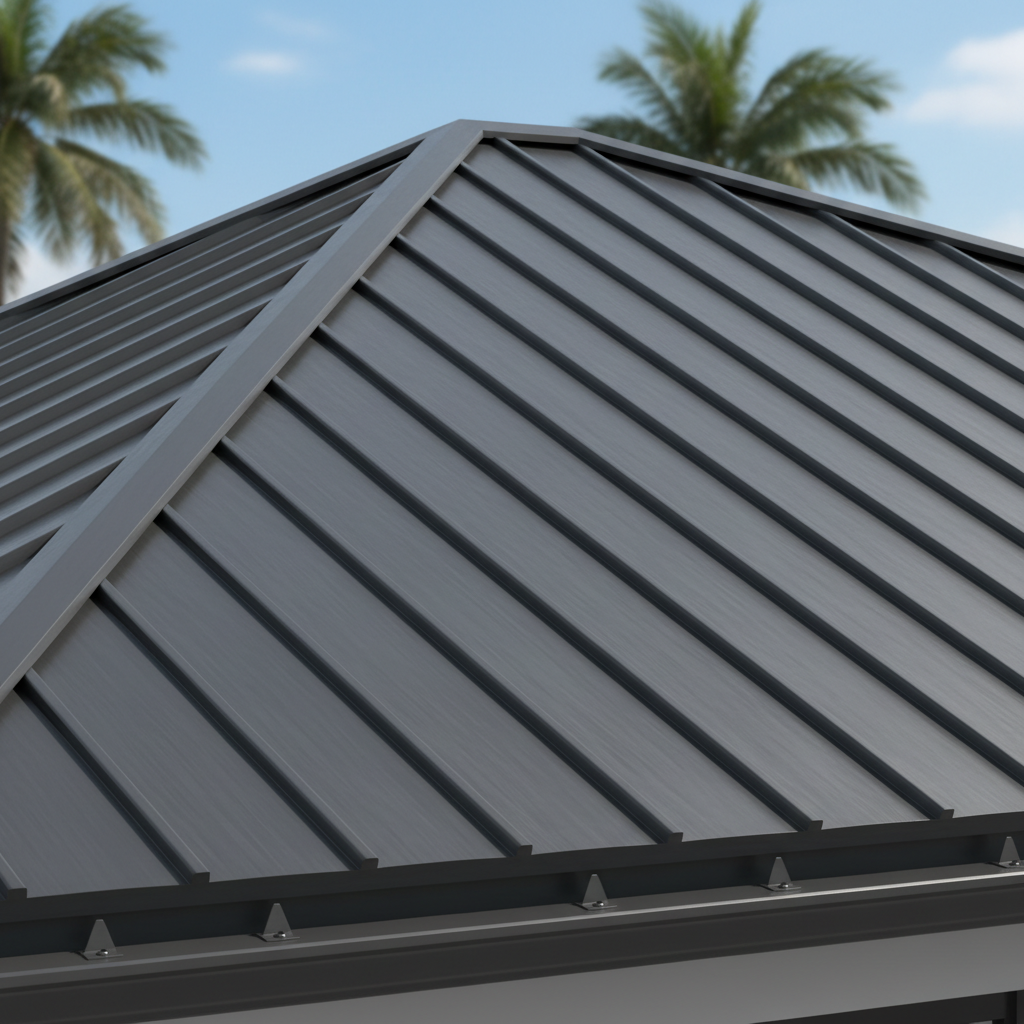
Standing seam metal roofing features vertical metal panels that interlock or snap together at the edges, creating distinct raised seams. Because these seams are raised, the fasteners remain hidden, giving the roof a smooth, modern finish. This design avoids the exposed screws or nails seen on other metal roofs, preventing potential water infiltration around fastener openings. You will often see this style on both residential and commercial buildings throughout Florida, and it’s especially popular among contractors who prioritize durability in hurricane-prone regions.
Most standing seam panels are formed from steel or aluminum, though higher-end versions may include zinc or copper. The panels typically come in various widths, seam heights, and finishes, letting you choose the best style for your property. If you have ever searched for metal roofing profiles in Florida, standing seam likely topped the list of premium options. Many manufacturers, such as Englert Inc., provide multiple panel profiles and finishes that meet strict industry standards.
Benefit from hidden fasteners
Hidden fasteners do more than just sharpen a roof’s appearance. They also help your roof perform better over time. With traditional exposed fastener roofs, screws can loosen or rust under the punishing conditions of Florida’s heat, humidity, and storms. Standing seam roofs eliminate that concern by shielding screws and other attachments beneath the overlapping panels.
When you invest in a roof that has concealed fasteners, you reduce your chances of leaks and minimize maintenance work. You also protect the hardware from intense UV rays and temperature fluctuations, both of which can degrade exposed fasteners. Florida contractors prefer this system because it delivers a clean finish and fewer points of failure in the long run.
Thrive under Florida’s building codes
Florida’s building codes rank among the strictest in the nation, especially in coastal or High Velocity Hurricane Zone (HVHZ) areas. You need a roofing system that can meet or exceed these codes, which often include wind uplift ratings up to 170 mph. Standing seam metal roofing offers superior performance compared to many other types of roofing, simplifying the process of passing inspections. Because it’s engineered to be more robust, you can feel confident that your new roof will stand up to code requirements.
Complying with Florida building codes also means factoring in special underlayments, water barriers, and quality installation practices. Although these additions can slightly increase initial costs, they shape a roof that is trusted by both local building authorities and insurance providers. Pairing a high-quality standing seam system with meticulous installation can give you peace of mind, especially in coastal towns vulnerable to hurricane conditions.
Resist hurricane-force winds
One of the biggest draws of standing seam metal roofing for Florida contractors is its superior wind resistance. Your roof’s most critical points—where the panels interlock—remain just above the surface, minimizing weak spots that might peel open during a storm. The raised seams also decrease the chance of wind-driven rain seeping underneath, as there are fewer horizontal overlaps compared to other roofing designs.
When hurricanes hit, the concealed fasteners help keep the entire system intact, reducing movement that can loosen or tear off panels. This advantage is why so many Florida homeowners choose hurricane proof roofing solutions Florida that utilize heavy-duty standing seam panels. In strong winds, every screw and seam matters. While no roof can guarantee absolute immunity to all storm damage, you significantly improve your odds by opting for a system proven to endure severe weather.
Enjoy longevity and low maintenance
Standing seam metal roofs last 40 to 70 years or even longer with modest upkeep. Florida’s humidity, intense sun, and heavy rain test the resilience of some roofing materials, but standing seam metal tends to handle these conditions admirably. Proper surface coating and paint finishes defend against corrosion, fading, and salt spray—especially crucial if you live near the coast.
Low maintenance is another major plus. Metal roofs rarely develop the algae or mold patches that plague shingles. In many cases, you can simply rinse your roof with a garden hose and schedule periodic inspections. Without frequently replacing shingles or re-fastening screws, you save on both time and money. For Florida property managers balancing tight budgets, a standing seam system can be a straightforward way to reduce annual roof-related costs.
Improve energy efficiency
Air conditioning bills soar during Florida’s sweltering summers, so every bit of roof reflectivity counts. Metal roofing typically reflects solar heat more effectively than traditional shingles, especially when you select light or specially coated finishes. Standing seam metal roofs in particular can reflect up to 70% of solar radiation, helping reduce the amount of heat transferring into your attic. That can lead to monthly energy savings of 25% or more on cooling.
By preventing heat from building up inside, you keep temperatures more comfortable, allowing your air conditioner to run less frequently. Over time, metal roofing’s energy savings can partially offset your initial investment. Better yet, you might qualify for certain rebates or tax credits for installing an Energy Star-rated metal roof, depending on current federal or state programs. As a result, your standing seam metal roofing can do more than protect you from storms—it can also trim your electricity costs.
Consider design versatility
There’s a misconception that all metal roofs look alike, when in reality, standing seam comes in numerous colors, textures, and profiles. Many systems have subtle striations or pencil ribs that give the panels more visual dimension. You can opt for bold, modern shades like deep charcoal or bright red, or choose neutrals that blend seamlessly with nearby architecture. Some standing seam roofs mimic the appearance of other materials (like shingles or tiles) but with all the protective advantages of metal.
Today’s metal roofing manufacturers, such as Englert Inc., offer an impressive range of finishes. These coatings enhance reflectivity while resisting scratching, peeling, and chipping, making them ideal for Florida’s sun-drenched environment. If you’re searching for top metal roofing profiles Florida, you’ll notice how often standing seam stands out for style variety. The refined silhouettes can add contemporary curb appeal to both homes and commercial structures, a quality that many Florida contractors appreciate.
Access potential insurance and tax incentives
Because standing seam roofs withstand storms better than many alternatives, you might notice lower or more favorable homeowner’s insurance rates. Insurers often reward properties equipped with renowned hurricane-resistant features, which include durable metal roofing. Some carriers may request evidence of the roof’s wind ratings or code approvals, so make sure you keep documentation after installation.
You could also be eligible for various tax credits or grants. Federal credits covering energy-efficient home improvements often extend to metal roofing with reflective finishes. State-level programs periodically appear, offering financial support for wind mitigation measures. While incentives change from year to year, it’s worth reviewing local regulations and talking with your contractor to see which benefits apply. Think of this step as another way your standing seam roof adds long-term value to your property.
Explore key installation factors
Even the best metal roofing performs only as well as its installation allows. Given Florida’s challenging weather, you want to seek out skilled contractors who have plenty of experience with standing seam projects. Expertise with seam alignment, correct panel spacing, and weatherproof flashing can mean the difference between decades of worry-free coverage and costly repairs.
Below are a few pointers to keep in mind when choosing an installer:
- Request references and certifications. Confirm that they have the necessary Florida contractor licensing and a track record of installing standing seam roofs.
- Ask about their underlayment approach. Quality underlayment is especially crucial in Florida, where torrential rains can test every inch of your roof.
- Inquire about warranties. Both manufacturers and installers often provide coverage. A comprehensive warranty can shield you from unexpected repair expenses.
- Verify compliance with local codes. Florida building regulations change as new hurricane data becomes available. Make sure your contractor is up to date.
By focusing on these details, you can ensure that your investment in standing seam roofing upholds its promise for decades to come.
See how metal stands up in hurricanes
If you’re researching how roofs perform under hurricane conditions, you’ll notice that standing seam metal panels consistently demonstrate stronger resistance to wind uplift and wind-driven rain. Each panel’s vertical orientation reduces the number of horizontal seams, giving wind fewer places to pry open. Additionally, the concealed fasteners provide stronger attachment points. That’s why so many Florida homeowners opt for metal roof durability hurricane Florida solutions.
In high-wind situations, roofing failures often begin at edges or ridges. Contractors who install standing seam systems counteract this by securing perimeter trim details carefully, as well as using specialized clips that allow panels to expand and contract. This approach defends against the twisting and pulling forces hurricanes can impose on your roof.
Invest in quality underlayment
Roofing underlayment acts as the final barrier between your home’s interior and outside moisture. Contractors in Florida often recommend waterproof or water-resistant underlayments that stand up to extreme heat, high humidity, and heavy rainfall. While this addition might add 10–15% to initial material costs, it can prevent up to 40% more water intrusion in hurricane-force rains.
Don’t overlook the benefits of a top-tier underlayment. The right choice can extend your roof’s lifespan by an extra five to ten years, especially in coastal regions that endure salt spray and frequent storms. It’s a small price to pay for an added layer of security.
Factor in sustainability and recycling
If environmental impact guides your roofing decisions, you’ll appreciate what standing seam metal has to offer. Many metal panels contain a significant portion of recycled material. They can also be recycled at the end of their lifecycle, unlike shingles that typically head to a landfill. Opting for a metal roof can reduce your home’s carbon footprint, especially when combined with reflective coatings that lower cooling demands.
Contractors around Florida note that sustainability has become an important selling point for property owners. Choosing a metal roof that harmonizes with your green goals suggests you can protect your home without negatively affecting the local environment.
Calculate the overall costs
While standing seam metal roofing does cost more upfront than asphalt shingles or some other systems, it often proves its value in the long run. Florida homeowners frequently pay between $10 and $20 per square foot for standing seam metal roofs—roughly translating to $18,000 to $32,000 for a 2,000-square-foot roof. The concealed fasteners, robust panel design, and higher quality finishes drive initial costs upward. Yet, when your roof lasts 40 years or more, you save substantially by avoiding multiple tear-offs common with shorter-lived materials.
You can also anticipate lower maintenance fees and possible reductions in homeowner’s insurance premiums. Meanwhile, stronger building codes in Florida make cheaper roofing alternatives less viable, particularly in areas prone to high winds. By factoring in durability, insurance savings, and fewer replacements, your lifetime expenses for a standing seam metal roof often become more manageable.
Learn about new roof installation help
If you’re ready to replace your roof, it’s wise to check trustworthy local resources. You might start by talking to a certified contractor who can guide you through product options, code specifications, and the full scope of installation. Additional guidance is available through consumer-friendly resources like the new roof installation page at Alligator Roofing.
Speaking with your contractor about financing or payment plans is also beneficial. Because standing seam metal roofs are more expensive upfront, some installers provide flexible terms to make your project more budget-friendly. The goal is to ensure your home is as storm-ready as possible without straining your financial comfort.
Determine if standing seam is right for you
Choosing a roofing system can feel overwhelming. Yet as you weigh your choices, standing seam metal roofing often stands out for its longevity, reliable storm performance, and contemporary style. It’s an excellent match for Florida’s diverse climates, from coastal areas buffeted by storms to inland regions that grapple with intense sun and humidity.
Remember, determining suitability goes beyond price alone. Think about how often you want to replace or maintain your roof. Consider your property’s curb appeal goals, as well as future energy bills. When you add up these factors, the appeal of a standing seam roof becomes clear.
Plan your next steps
Start by gathering quotes from a few reputable contractors. Ask them if they have experience installing standing seam metal roofing under Florida-specific conditions. Request details about underlayment, warranties, finish options, and any energy-saving certifications. Explore color charts and panel profiles that provide the look you want.
Additionally, you’ll want to investigate potential cost offsets. Keep an eye on state or federal incentives that reward wind mitigation or higher energy performance. Don’t forget to see if you qualify for any local rebates. Partnering with a contractor or supplier that stays updated on Florida building regulations can streamline the process—a worthwhile investment considering the complexity of roofing in coastal or hurricane-prone areas.
Final thoughts
Florida contractors choose standing seam metal roofing because it addresses some of the biggest concerns for local homeowners. With concealed fasteners, wind and water resistance, impressive longevity, and energy-saving finishes, it’s a roofing system designed to perform under the state’s toughest conditions. You can boost your home’s comfort, enhance its style, and help it weather storms more effectively.
Above all, your decision to install standing seam metal roofing in Florida is an investment in safety and value. By paying attention to essential factors like code compliance, underlayment quality, and skilled installation, you maximize all the advantages a standing seam roof can provide. Whether you’re replacing an older roof or planning a new build, consider how this modern, resilient roofing profile can keep you protected and comfortable for years to come.