Importance of a hurricane-proof roof
When you live in Florida, protecting your home with hurricane proof roofing solutions florida becomes a serious priority. Hurricanes can strike at full force, especially in coastal regions, causing devastating roof damage and leaving your property vulnerable to costly interior issues. By focusing on a solid, storm-ready roof, you not only safeguard your home but also preserve your peace of mind during hurricane season.
A strong roof does more than keep water out. It helps maintain your home’s structural integrity in high winds, reducing the risk of walls or foundations shifting under storm pressure. Many Florida homeowners find that investing in a reliable roof lessens their long-term insurance costs as well. If your current roof shows signs of wear, it may be time to consider an upgrade that can cope with Florida’s unpredictable weather.
Florida building code essentials
Florida’s building codes exist to protect homes and communities, particularly when gusts surpass Saffir-Simpson Category 1 levels. These codes require roofs to withstand wind speeds ranging from 130 to 180 mph depending on location. They also set guidelines for impact-resistant materials, proper fasteners, and thorough inspections. Getting to know these regulations ensures that your roof meets compliance standards and helps you avoid headaches later on.
A key resource for homeowners is the Hurricane Retrofit Guide by the State of Florida, which offers detailed guidance on retrofitting existing structures to resist hurricane-force winds [1]. It outlines common checkpoints like roof-to-wall connections, attic ventilation, and the secure attachment of roof decking. By consulting these guidelines, you can identify upgrades that significantly reduce your storm risk before the next hurricane season arrives.
Top hurricane-resistant materials
Florida’s weather demands roofing materials that can hold their own against harsh conditions. Selecting the right material often comes down to balancing budget, durability, and architectural style. You have a few standout options worth your attention.
Metal roofs are especially popular for their wind-resistant properties. These roofs can handle sustained gusts better than many alternatives because of their interlocking panels and sturdy fasteners. Concrete and clay tiles are also known for excellent storm performance, thanks to their weight and durability, although you will need a reinforced structure to support them. Meanwhile, synthetic roofing materials made from advanced polymers provide a lightweight yet strong option for those aiming to minimize structural stress.
If you want to see how different metal profiles stack up, check out top metal roofing profiles Florida. You will learn how each profile handles wind uplift, moisture, and even aesthetic considerations for your neighborhood.
Standing seam metal advantages
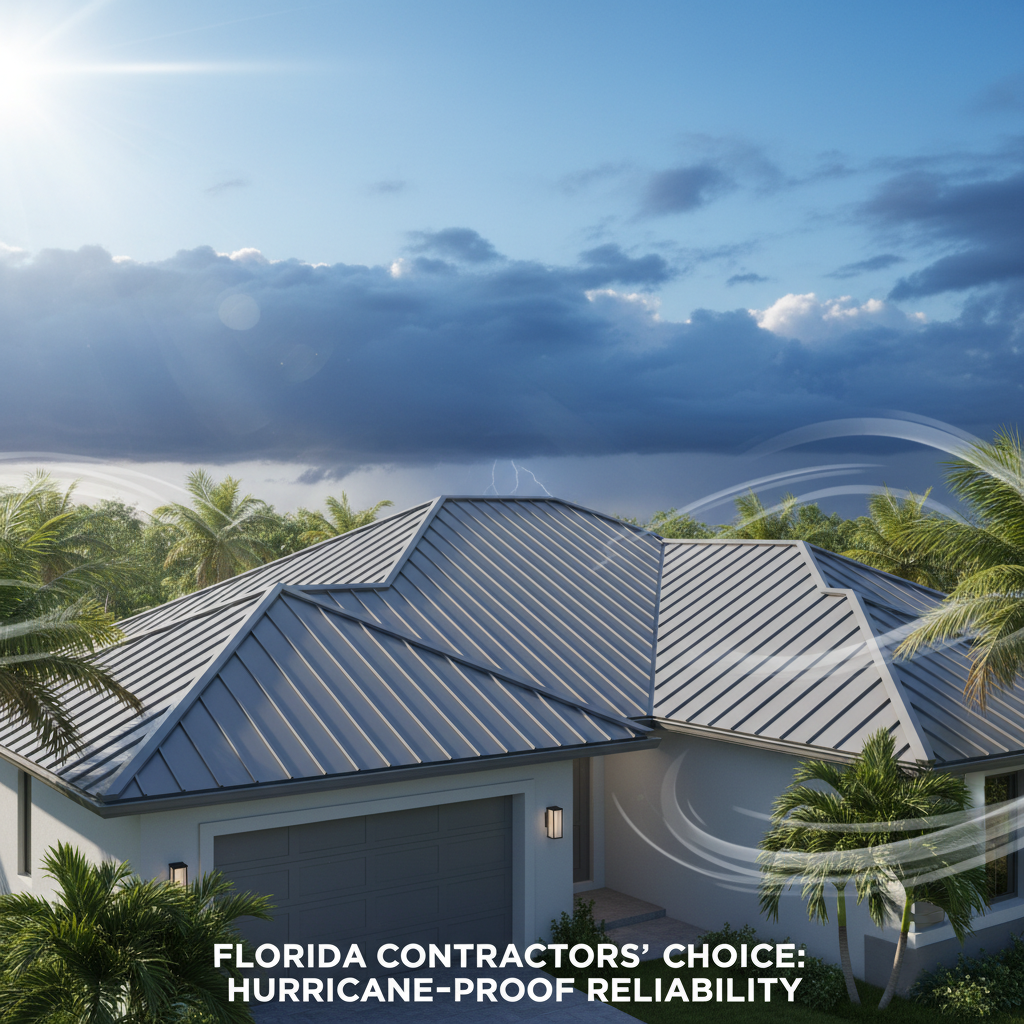
Standing seam metal roofing is often singled out as a premier choice for hurricane-prone areas. Rather than relying on exposed fasteners, which can loosen over time, this design conceals fastening elements beneath overlapping metal panels. This setup creates an exceptionally secure connection that is less prone to leaks and wind-driven rain.
You also benefit from the added bonus of durability. Standing seam metal roofs can last 40 to 70 years and often meet the wind resistance criteria established by Florida’s strict building codes. They reflect a substantial portion of the sun’s heat, potentially lowering your energy bills in Florida’s intense summer months. If you would like more insight into this specific design, visit standing seam metal roofing Florida contractors.
For extra peace of mind, it helps to understand how these roofs handle hurricane-force winds before you commit. Learn more about long-term performance in severe weather by reading metal roof durability hurricane Florida. It covers all the basics of how standing seam metal systems stay intact during high-wind events.
Cost and installation insights
Whether you choose metal, tile, or a synthetic material, budgeting is a critical part of your roofing project. Material costs, labor, roof pitch, and the condition of your existing decking all influence the final price. If your home has unique features like skylights or dormers, expect additional labor hours. Although a high-quality installation can feel like a hefty investment, it often pays off in reduced insurance rates and fewer repairs down the line.
You will also need a reputable contractor to handle the installation. Proper techniques, including reinforced fasteners and precise panel alignment, significantly improve your roof’s ability to withstand hurricanes. Before hiring anyone, confirm they have Florida roofing licensure, ample hurricane experience, and full insurance coverage. To take the guesswork out of finding reliable help, consider Alligator Roofing.com’s new roof installation in Bradenton for professional advice and services.
Occasionally, it helps to see a quick snapshot of the most common roofing types and their highlights:
- Metal roofing: Excellent wind rating, long life, energy-efficient reflection
- Concrete or clay tiles: Heavy yet durable, strong insulation, require robust support
- Synthetic polymers: Lightweight, high wind resistance, advanced engineering
- Architectural shingles: Budget-friendly, moderate wind rating, easy to repair
Making the best decision
When picking hurricane-resistant materials, it is wise to evaluate not only design preferences but also climate demands and budget constraints. Florida’s combination of strong sun, high humidity, and seasonal storms requires a roof that can handle many forms of weather abuse. A thorough roofing inspection or consultation can point you in the right direction and address any structural concerns before installation begins.
One final tip is to explore any local incentives or programs that assist with storm-proofing upgrades. The Hurricane Retrofit Guide advises homeowners to use checklists and plan improvements based on cost-effectiveness. Although no roof is 100 percent hurricane-proof, strengthening yours with the right materials and expert installation will go a long way toward reinforcing your home in the face of powerful storms.
By selecting a hurricane-proof roofing system, you are investing in long-term security for yourself and your loved ones. If you want more details on suitable metal roofing styles before you decide, head over to metal roofing profiles florida. A roof that stands up to Florida’s storms is within reach, and your first step is understanding the options that best fit your home.