Understanding metal roof durability
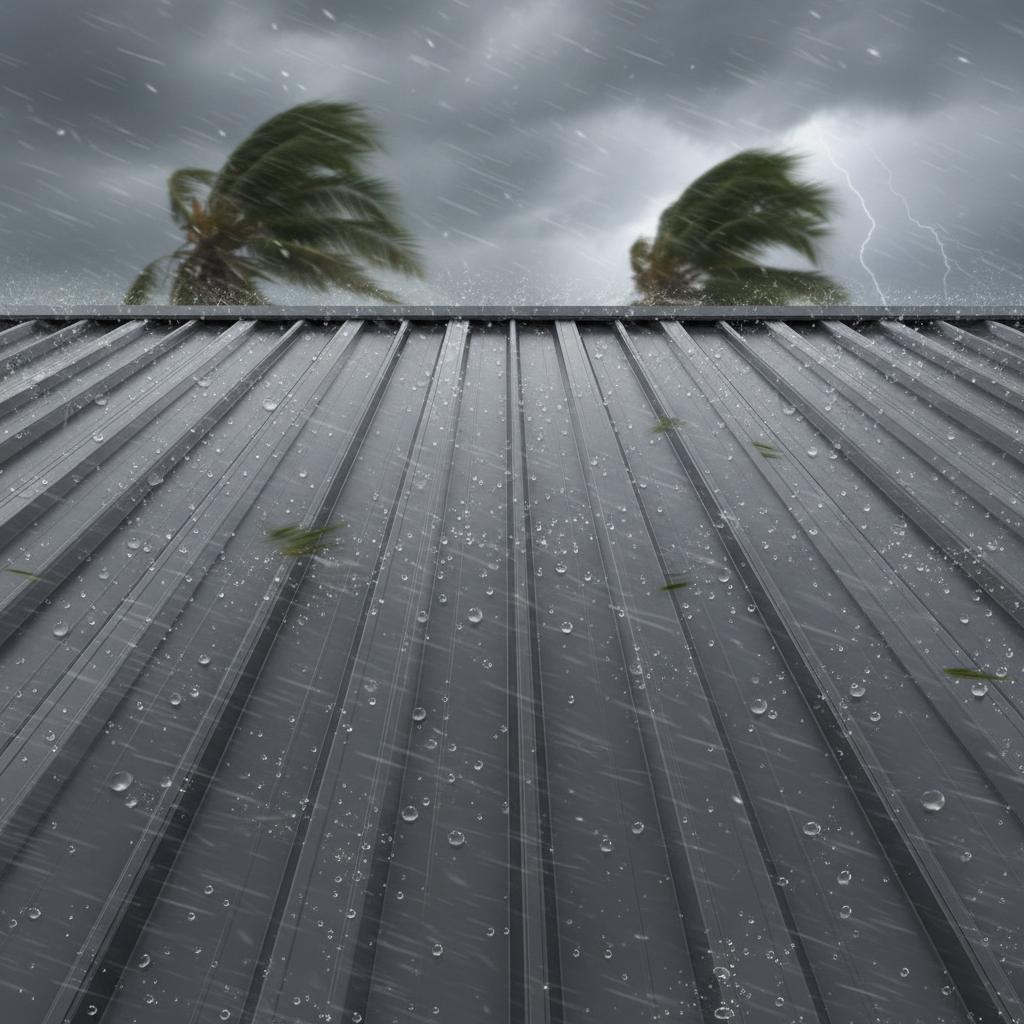
You might wonder why so many Florida homeowners are replacing traditional asphalt shingles with sturdy metal roofs. The short answer is metal roof durability in hurricane-prone Florida can be a game-changer for protecting your home. Whether you experience wind speeds above 120 mph in your region or live near the coast, a well-installed metal roof can stand strong against the challenging conditions typical of Florida’s hurricane season. Metal roofs are engineered to withstand wind pressures that often exceed 140 mph, which is crucial for anyone looking to reduce storm-related damage.
When you choose a metal roofing system, you’re opting for a material that can last anywhere from 40 to 70 years with minimal upkeep. The secret lies in the metal’s unique ability to resist corrosion, shed water, and maintain structural integrity under high wind loads. While no roofing system is entirely hurricane-proof, a properly installed and maintained metal roof greatly reduces your risk of leakage, uplift, and costly repairs.
Evaluating hurricane wind forces
Florida’s hurricane season can bring powerful gusts that test the limits of every roofing system. Hurricanes in 2004 and 2005 revealed that metal roofs performed better than expected, prompting many residents to invest in metal roofing [1]. One big reason is that wind forces behave differently on a metal roof versus a traditional shingle roof. Metal panels are typically installed with stronger fasteners and overlapping seams, helping distribute wind pressure more evenly.
However, you still want to be aware of potential failure points. A standing seam metal roof, for example, can experience issues if the middle of the panel bows up under intense pressure, generally around 30 pounds per square foot. This bowing can cause the seams to pop open if the roof hasn’t been properly installed or maintained [1]. Even so, these issues are relatively rare. With careful selection of materials, attention to detail, and adherence to building codes, you can often avoid such failures.
Selecting the best metal materials
Choosing the right metal roofing material for hurricane protection hinges on durability, corrosion resistance, and overall longevity. In Florida, many contractors prefer robust materials like aluminum or galvalume-coated steel, which are designed to stand up to the region’s salty coastal air better than galvanized steel. Aluminum, in particular, has strong anti-rust properties, making it a popular choice in coastal communities. Galvalume steel, coated with a zinc-aluminum alloy, also provides excellent corrosion resistance and is widely used throughout the state.
If you’re exploring different metal roofing profiles, you’ll find options ranging from 5V panels to standing seam designs. Each type has its own strengths. For instance, classic 5V metal roofing tends to be budget-friendly, but its exposed fasteners can loosen over time if you don’t keep up with regular checks. In contrast, standing seam roofs feature concealed fasteners, enabling metal expansion and contraction without compromising the roof’s integrity. If you’d like to learn more about the different profiles available, consider visiting metal roofing profiles florida or top metal roofing profiles florida, where you can explore specific details about styles and performance.
Installing a solid roof deck
A robust roof deck is another crucial factor that supports metal roof durability in hurricane-prone Florida. If you have just a layer of metal applied without a dedicated deck, any panel uplift can expose the interior of your home to wind and water damage in an instant [1]. By installing plywood or oriented strand board (OSB) beneath the metal panels, you essentially create a secondary barrier against wind-driven rain.
Securing the metal to a stable deck also helps dissipate wind loads. When the fasteners are driven into a sturdy base, uplift is less likely to occur. This is an important consideration if you’re planning a new roof installation in the Bradenton area or anywhere else along Florida’s coastline. You can see more about these deck installation methods at Alligator Roofing’s overview if you’re comparing approaches or scheduling a consultation.
Defending against water damage
Hurricanes don’t just bring strong winds; they also unleash heavy rainfall. Fortunately, metal roofs excel at shedding water quickly and effectively. When properly installed, metal panels overlap and lock together in ways that minimize the chance of moisture infiltration. This design helps your roof keep water out even under pounding rain, preserving your home’s interior from unwanted leaks.
One key recommendation from construction and disaster experts is to enhance your metal roof’s water protection with improved underlayment [1]. An underlayment serves as a backup layer bolstering your roof’s defense. If a panel is dented or torn by debris, the underlayment can keep moisture from seeping in. This is especially valuable if your area experiences hurricanes that reach wind speeds above 120 mph—a threshold beyond which long-term data on metal roof performance is still growing.
Maintenance tips to extend lifespan
Even if your metal roof is exceptionally durable, paying attention to routine inspection and maintenance keeps it in top shape. Think of maintenance as preventative care. Inspect your panels after severe storms to confirm that there’s no distortion, no popped fasteners, and no visible gaps at the seams.
You can keep your maintenance plan simple:
- Check for loose or missing fasteners.
- Gently clear any accumulated leaves or branches.
- Look for scratches or chips in the protective paint or finish.
- Inspect sealants around roof penetrations like vents or skylights.
By addressing minor issues you spot early, you extend your roof’s service life and help avoid costlier problems later. If you notice something unusual, you might consider scheduling a roof specialist’s visit for a closer look. Also, ensure you keep up with local hurricane-proofing recommendations, which could include reinforcing other home components like windows and doors for the best overall protection.
Exploring insurance and cost benefits
In many parts of Florida, insurance companies recognize the advantages that metal roofs offer during hurricanes. Because these roofs generally sustain less damage, require fewer emergency repairs, and reduce the likelihood of leaks, some insurers provide premium discounts to homeowners with hurricane-rated metal roofing systems. In the long run, opting for a more resilient roof could mean lower insurance costs.
Cost, however, remains a factor for many homeowners. While a metal roof can be more expensive upfront compared to asphalt shingles, it typically outperforms other options over its 40–70-year lifespan. The diminished need for replacement or major repair adds to its value, especially in coastal regions susceptible to repeated storm damage. You might also consider looking into any local or statewide incentive programs that reward energy-efficient and storm-resistant building materials.
If you’re curious about other storm-resilient strategies, consider checking out hurricane proof roofing solutions florida. You’ll find a variety of options—beyond just metal roofing—that Florida homeowners have tapped into to mitigate storm impacts. Combining a metal roof with additional hurricane-hardening measures makes your home even more secure and comfortable.
Benefits of standing seam systems
Standing seam metal roofing is often recommended by Florida contractors because of its concealed fasteners and elevated seams. Unlike exposed fastener metal roofs, standing seam panels are secured underneath the seams, which lowers your risk of leaks and wind-driven water intrusion. This design also allows the panels to expand or contract with temperature changes, reducing stress on the fasteners themselves.
If it’s time to decide on a specific installation, you can get more in-depth guidance by exploring standing seam metal roofing florida contractors. You’ll learn why some homeowners consider standing seam worth the higher price tag. The raised seams, combined with specialized clips, create a nearly watertight barrier against blowing rain, and that’s a big plus during the high winds of hurricane season.
Preparing for debris impact
Even a strong metal roof faces certain challenges when hurricanes sweep in. Flying debris can travel at dangerous speeds, putting dents or punctures in metal panels. Though metal typically resists penetration better than shingles, severe or repeated impacts can still cause damage. In these cases, the thickness or gauge of your metal panels may help you. Thicker metal is more resistant to denting, but it can also be heavier and sometimes more expensive.
Keeping large tree branches trimmed away from your home can minimize debris impacts. If a limb breaks off during a storm, it’s less likely to land on your roof if trees are pruned properly. It’s also wise to ensure any loose items on your property—garden furniture, yard decorations—are secured before a storm arrives. By controlling potential projectiles, you add another layer of protection to your metal roofing investment.
Minimizing weak points
When it comes to hurricane resilience, a roof is only as strong as its weakest link, which might be hips, ridges, or any exposed edges. Research has shown that these areas can absorb the brunt of the wear during storms, especially with metal tile roofs [1]. It’s wise to pay close attention to these spots during periodic inspections. Sealants on hips and ridges can degrade, so verify that gaskets, flashing, and trim remain properly sealed. Replacing deteriorated sealants or loose fasteners promptly helps you maintain a consistently taut envelope that wind and water have difficulty penetrating.
Some homeowners add extra reinforcements along the hips or where two sections of the roof meet. For instance, you might install an additional waterproof membrane or use hurricane straps underneath certain overlaps. These measures may not always be mandatory under code, but they can provide peace of mind, especially if you live in an area prone to intense storms.
Considering aesthetics and curb appeal
Durability and hurricane resistance don’t have to conflict with style. Metal roofing comes in a range of colors, finishes, and profiles. Whether you prefer a traditional standing seam look or want something that mimics the texture of clay tiles, there’s likely a metal option that aligns with the aesthetics of your neighborhood. Selecting a modern finish can even help reflect solar radiation, lowering your cooling costs in Florida’s hot climate.
Many homeowners enjoy the idea of investing in a long-lasting roof that also upgrades curb appeal. If you’re weighing the design side of your new roof, you might explore available color charts and coatings that offer both style and corrosion resistance. Talking with a specialized metal roofing contractor can help you fine-tune your design choices before jumping in.
Comparing metal to other materials
If you’re used to seeing asphalt shingles, upgrading to metal can feel like a big leap. But the advantages quickly add up: stronger wind resistance, a longer lifespan, and a high degree of resilience against water intrusion. On the other hand, shingle roofs can start losing their manufactured wind rating around 10 years in. That means significantly less protection later in the roof’s life, an issue that becomes even more pressing in hurricane-prone areas.
Metal panels do cost more initially, but consider how often you’d have to replace shingles over the same timeframe. In many cases, homeowners find that a single metal roof installation can last as long as two or even three shingle roof lifespans. This is especially beneficial if you plan to stay in your home for several decades or if you intend to pass the property on to family members in the future.
Going beyond the roof
If you want total hurricane readiness, you’ll need to address more than just the roof. Professional installers often stress that reinforcing your entire building envelope—windows, doors, and wall systems—pays off when winds surge or flying debris becomes a hazard. Investing in a wind-rated garage door, for instance, prevents storm gusts from entering and pressurizing your interior. This complements the security your metal roof provides from above.
Some local regulations already require hurricane shutters or impact-resistant glass. By combining these measures with a well-built metal roof, you create a cohesive defense system. You not only reduce the likelihood of structural failure but also cut down on water infiltration, which often causes hidden damage in attics, insulation, and drywall.
Where to go from here
If you’re ready to embrace metal roof durability for hurricane risk in Florida, start by exploring reputable contractors in your area. Ask about their experience with metal installation, the types of warranties they offer, and their familiarity with local building codes. This diligence ensures you select professionals who understand the nuances of metal roofing in coastal, high-wind environments.
Should you want more information on standing seam systems or other metal profiles, check out standing seam metal roofing florida contractors. You can also see how different roofing solutions stack up by reviewing hurricane proof roofing solutions florida. And if you’re near Bradenton or nearby counties, Alligator Roofing’s new roof installation page can walk you through what an actual metal roof upgrade entails from start to finish.
Taking action now helps protect your property for many seasons to come. Although no roofing system can promise absolute invulnerability, a well-chosen metal roof provides excellent wind, rain, and impact resistance so you can weather Florida’s worst storms with fewer worries.
Conclusion
Your home’s roof is your first line of defense against Florida’s challenging hurricane conditions. By investing in a metal roof—especially a system installed over a solid deck with appropriate underlayment—you give your household a safeguard that shingles often can’t match. Durability, longevity, and stellar hurricane performance all combine to make metal roofs one of the top choices for Florida homeowners.
When maintained correctly, a metal roof can serve you for decades, beating back howling gusts and sheets of rain while keeping the inside of your property safe and dry. Armed with the knowledge of how metals resist wind uplift, manage water intrusion, and stand up against debris impacts, you’re well on your way to making an informed choice. If you decide a metal roof is the right move for your home, it could be one of the smartest and most cost-effective investments you’ll ever make.