How to Find a Roof Leak Safely (Start in the Attic)
Brown ceiling spot after a Bradenton storm? Learn how to find roof leak safely, starting in your attic.
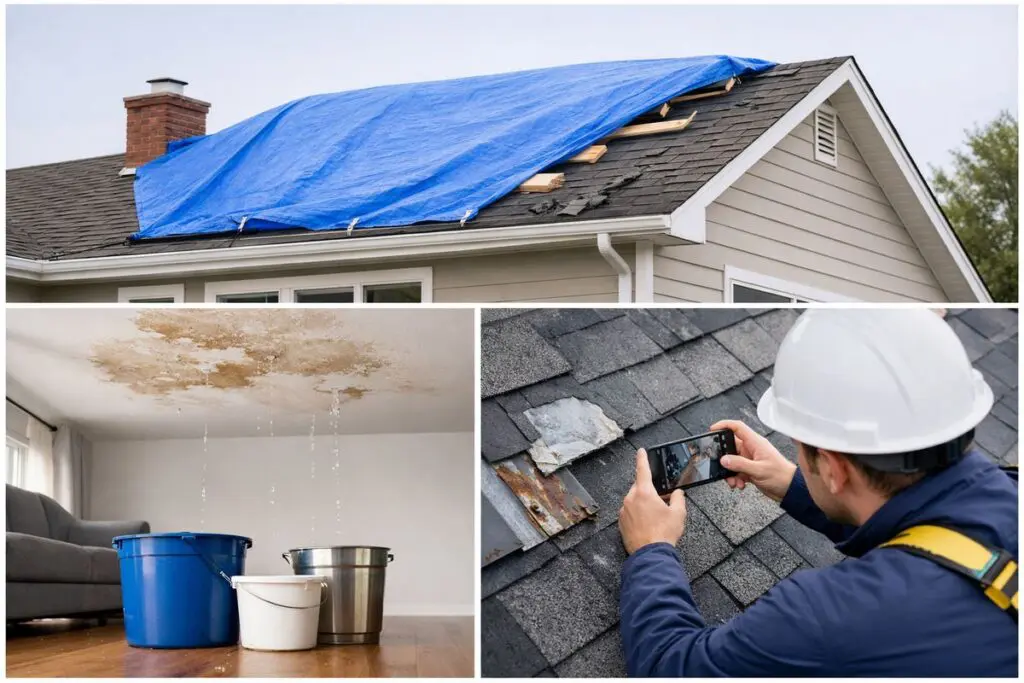
The most common signs you need roof repair are water stains on your ceiling and shingles or tiles that have cracked or blown loose. If you catch them early, a repair usually costs far less than the damage a slow leak leaves behind.
5.0 Stars Across 300+ Google Reviews
A+ Rated BBB Accredited Business
Licensed Florida Roofing Contractor #CCC1334651
Nextdoor Neighborhood Fave 2024 & 2025
Your roof inspection and repair estimate are free, with no pressure and no obligation.
If you’re finding water spots on a ceiling or shingles in the yard after a storm, your roof is telling you something. Most roof problems give you a warning before they turn into an expensive interior repair. The trick is knowing what those warnings look like.
You likely need roof repair if you notice any of these:
One sign by itself doesn’t always mean a big problem. Seeing several at once is worth a professional look, and so is any new sign that shows up after a tropical storm.
Alligator Roofing & Gutters is a licensed Bradenton, FL roofing contractor (License #CCC1334651) rated 5.0 stars across more than 300 Google reviews. With roofing leadership dating back to 2012, our team repairs residential roofs across Florida’s Gulf Coast. This guide explains what each warning sign means and how quickly you should act on it. If you already know something is wrong, our Bradenton roof repair team can inspect your roof for free.
Roof trouble tends to show up in four places. Start with whichever one is easiest for you to check, then select a card to jump to the details.
Ceiling stains and musty attic air often point to a hidden leak.
Look for shingles and tiles that have cracked or gone missing.
Many roof leaks begin at gaps around vents and skylights.
Wind damage and debris impacts are easy to miss from the driveway.
Many roof leaks are found indoors before anyone spots a problem on the roof itself. Water often travels along the underlayment and rafters before it drips, so the first clue can show up somewhere you’d never expect.
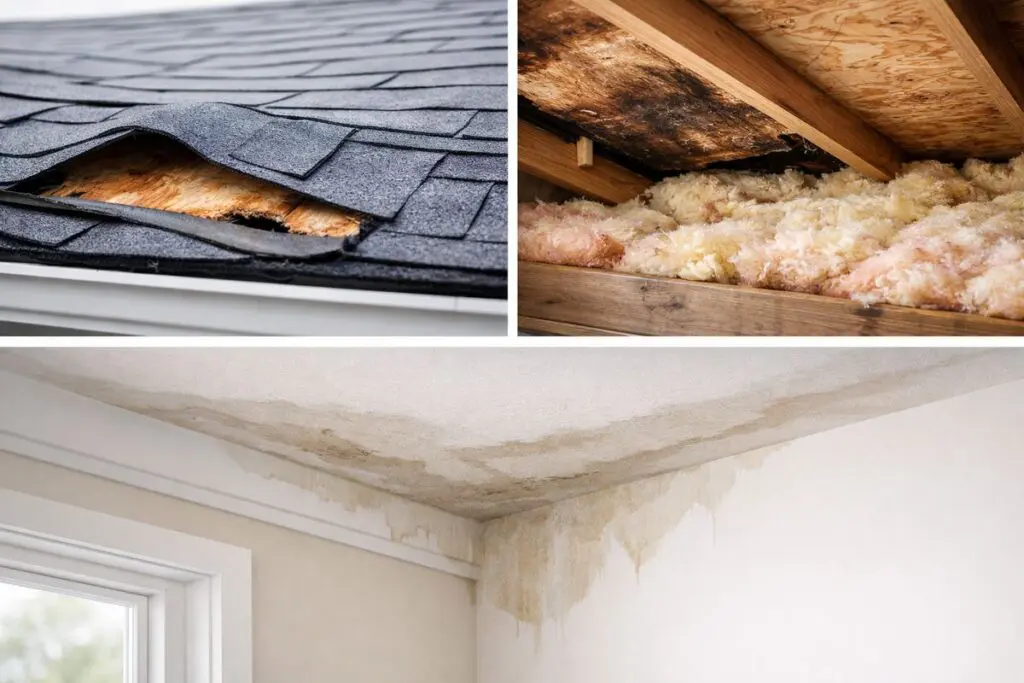
A brown or yellowish ring on the ceiling is often the first sign homeowners notice. By the time it appears, water has usually worked through the roof layers and soaked into the drywall. The stain can also sit several feet away from the actual opening in the roof. That’s why a good repair starts by tracing the leak back to its source instead of patching the spot directly overhead.
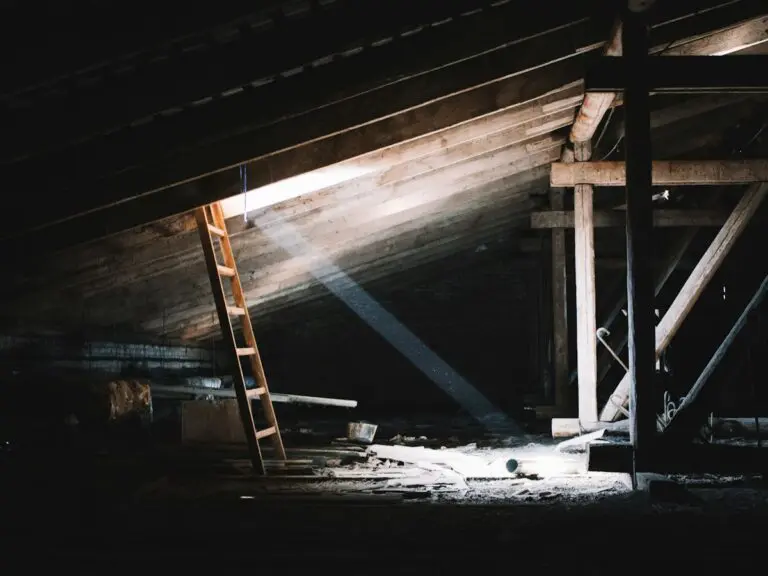
Grab a flashlight on a dry afternoon and look at the underside of the roof deck. Pinpoints of daylight or dark water stains on the plywood mean water has a way in. Matted or discolored insulation below those spots tells you it has been happening for a while.
Florida humidity already works against you. Add a slow roof leak, and mold can start growing on drywall and framing within a day or two. A musty smell in a closet or bedroom is worth checking even if you can’t see a stain yet.
Blistered paint near the top of a wall or around a light fixture can trace back to moisture coming down from above. Plumbing and air conditioning leaks can cause it too, so it’s worth finding the source. It’s easy to blame on humidity, but it can be one of the quieter signs your roof needs repair.
You don’t need to climb a ladder to check your roof surface. Stand across the street on a clear day and scan each slope. A pair of binoculars helps more than you’d think.
Strong Gulf Coast wind can get under shingle edges and break the adhesive seal. Once a shingle lifts, the next strong gust can tear it off and leave the layer underneath exposed to rain. Shingles that look raised or a different shade than the rest of the roof are the spots to watch.
Shingles curl and crack as years of Florida sun dry out the asphalt. You may also start finding granules in your gutters or at the bottom of a downspout. A small amount after a new installation is normal. Steady granule loss on an older roof means the shingles are losing their protective layer.
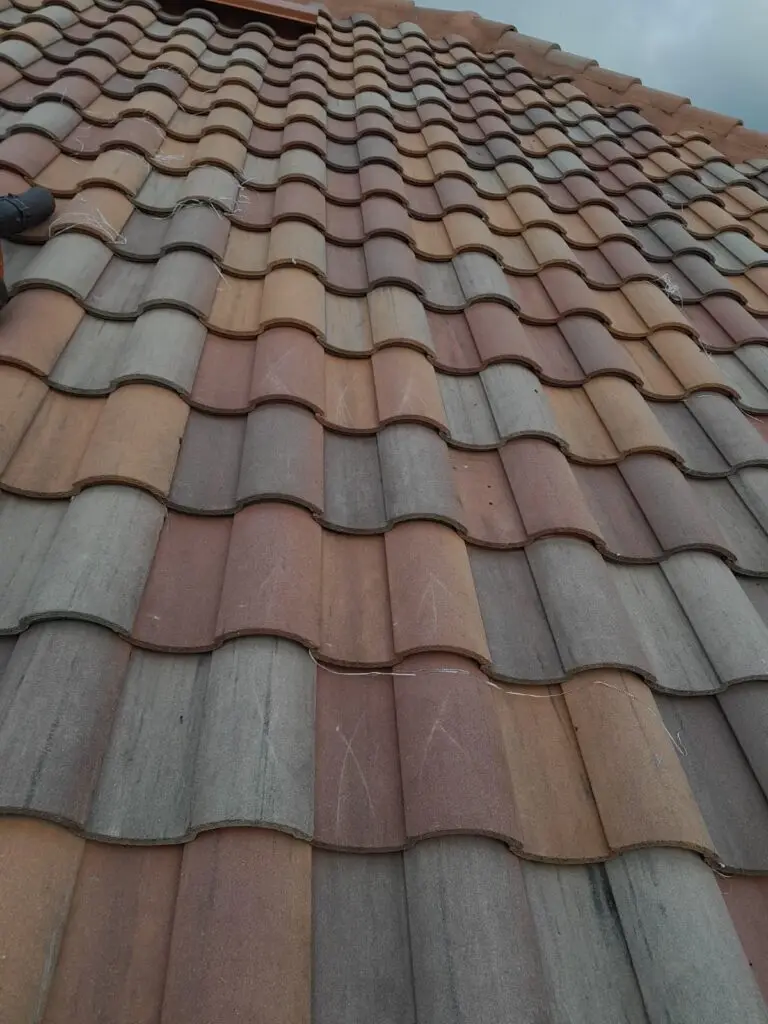
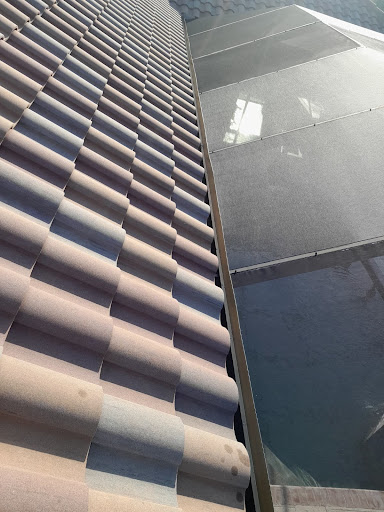
Concrete and clay tiles last a long time, but they can still crack when they’re walked on the wrong way or hit by a falling branch. Tiles can also slide out of position when fasteners or foam adhesive let go. Here’s the part many homeowners don’t realize: the tile isn’t the main waterproof layer. The underlayment beneath it is, and on many Florida tile roofs the underlayment wears out long before the tiles do. Our guide to tile roof damage signs Bradenton homeowners miss covers this in more detail.
On a metal roof, look for rust along panel edges and fasteners that have backed out. Seams that have separated are another red flag. Exposed-fastener panels need their screws checked more often than standing seam systems do. Our metal roof maintenance guide explains what to look for.
Any spot where something passes through the roof or meets a wall is a weak point. These details are small, but they’re behind a large share of roof leaks.
Flashing is the metal that protects the joints where your roof meets a wall or a skylight. Sun and salt air break down the sealant around it over time. Once flashing pulls away, rain can run straight into the roof deck.
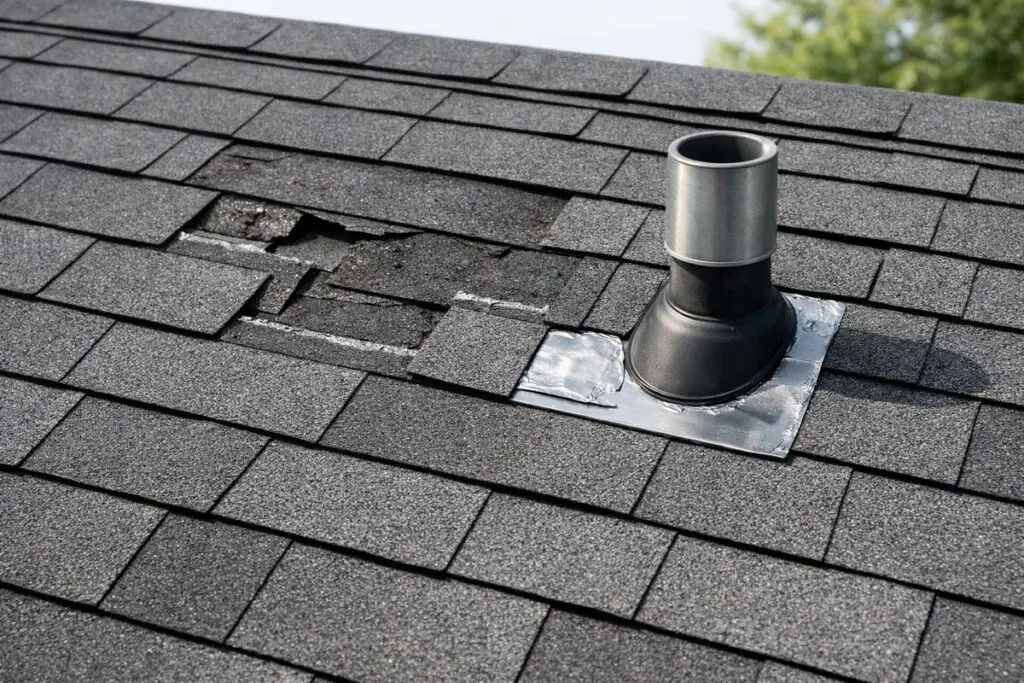
The rubber boot around a plumbing vent is one of the most common leak points on Florida roofs. Florida sun can crack that rubber well before the shingles around it wear out. When it’s caught early, this is usually a quick and affordable repair.
Gutters that overflow or sag away from the fascia can push water back under the roof edge. Over time, that can rot the fascia boards and stain the soffits. If water pours over your gutters during a summer downpour, have the gutters and the roof edge checked together. Our team also handles gutter installation in Bradenton when the old ones can’t keep up.
A roofline that dips or sags usually means the decking underneath has been damaged, often by long-term moisture. This one needs attention quickly, because weakened decking can’t hold fasteners the way it should.
Storm damage isn’t always obvious from the street. High winds can loosen shingles without tearing them off, and flying debris can crack tiles on a slope you’ll never see from the driveway.
Walk the property when it’s safe. Look for shingle or tile pieces in the yard and dents in your gutters or downspouts. Then keep an eye on your ceilings for the next several days, since some leaks take time to show. Please don’t climb onto a wet or damaged roof. A fall is far more costly than any repair.
Florida roof claims tend to go more smoothly with clear photos and a written inspection report. Our team documents storm damage with detailed photos and drone measurements, so you have the information an adjuster typically wants. Before you file, read our guide on how roof insurance claims work in Florida. If your roof took a direct hit, our article on what to do after a hurricane damages your roof walks you through the first steps.
A tarp can keep rain out for a short time while you wait for a repair. It isn’t a long-term answer, and Florida’s afternoon storms can find any gap. The sooner the damaged area is properly repaired, the less you’re likely to spend on interior repairs.
In many cases, a roof showing one or two of these warning signs can be repaired. Replacement starts to make more sense when damage is spread across several slopes or the roof is close to the end of its expected life. It’s also worth a conversation when you’re paying for repairs year after year.
As a general guide, asphalt shingle roofs in Florida often last around 15 to 20 years. Concrete tile can last much longer, although its underlayment may need attention well before the tiles do. Metal roofs commonly reach 40 years or more with basic maintenance. For synthetic roofing, the manufacturer’s rated lifespan is your best guide.
We’ll give you an honest answer on which option fits your roof. If a repair will solve the problem, that’s what we’ll recommend. For a deeper look, read roof repair vs. replacement: how to decide or compare these warnings with the signs you need a roof replacement. Sometimes the right answer falls in between. A partial roof replacement covers only the damaged section.
Alligator Roofing & Gutters is owned by Daniel Easton and based in Bradenton, Florida. We serve homeowners from Riverview down to Englewood, including Lakewood Ranch, Parrish, Sarasota and Venice. You can find more of the towns we cover on our areas we serve page.
Our repair process starts with a free roof inspection. We document what we find with photos, so you see exactly what we see. You get a straight answer on what needs fixing now and what can safely wait.
Our roof repairs come with a one-year warranty on labor and materials. We’re an A+ rated BBB Accredited Business and an Owens Corning Preferred Contractor. Neighbors on Nextdoor also named us a Neighborhood Fave in both 2024 and 2025.
Want to know who’ll be working on your roof? Learn more about our team or read reviews from local homeowners.


Check the attic after a heavy rain. Wet spots on the underside of the roof deck or damp insulation are the clearest early warnings. A musty smell indoors can also point to a slow leak that hasn’t reached the ceiling yet. If you’re not comfortable going into the attic, a free roof inspection will answer the question.
Yes, in many cases. A leak often traces back to one spot, like a cracked pipe boot or loose flashing, and that spot can be repaired on its own. Full replacement usually comes into the picture only when the damage is widespread or the roof is near the end of its life.
It depends mostly on the roofing material and how far the damage has spread. Replacing a cracked pipe boot costs far less than repairing tile underlayment over a large area. After a free inspection, we give you an estimate so you know the cost before any work begins.
Not always, but it shouldn’t wait long either. During Florida’s rainy season, a small leak can soak insulation and drywall within a few storms. Place a bucket under the drip and move anything valuable out of the way. Then call us to schedule a repair.
Once a year is a good rule, along with a check after any hurricane or tropical storm that brings strong winds to your area. Regular inspections help catch the small signs you need roof repair before they turn into bigger problems.
Insurance often covers sudden damage from a covered event like a windstorm. Normal wear and aging usually aren’t covered. Every policy is different, so review yours or ask your agent. Our Florida roof insurance claims guide explains how the process typically works.
Take photos of any damage inside your home. Photograph the roof too if you can do it safely from the ground. Then call Alligator Roofing at (941) 297-1700 or request an inspection online. You can also browse our roofing FAQs for more answers.
Tell us what you’re seeing and we’ll set up a free roof inspection. Fill out the quick form or give us a call.
Read practical guidance on roof repair and storm restoration for Florida Gulf Coast homeowners.

Brown ceiling spot after a Bradenton storm? Learn how to find roof leak safely, starting in your attic.

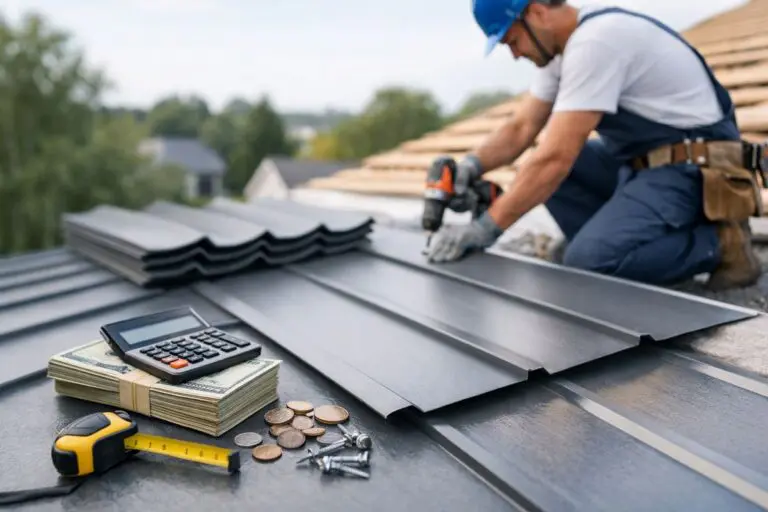
Metal roof installation cost in Bradenton: what you’ll pay, what drives price, and when replacement makes sense.
Find a local roofing contractor you can trust in Bradenton for repairs, replacements, and storm damage.
Complete the form below to request a free estimate on your project. We look forward to hearing from you!