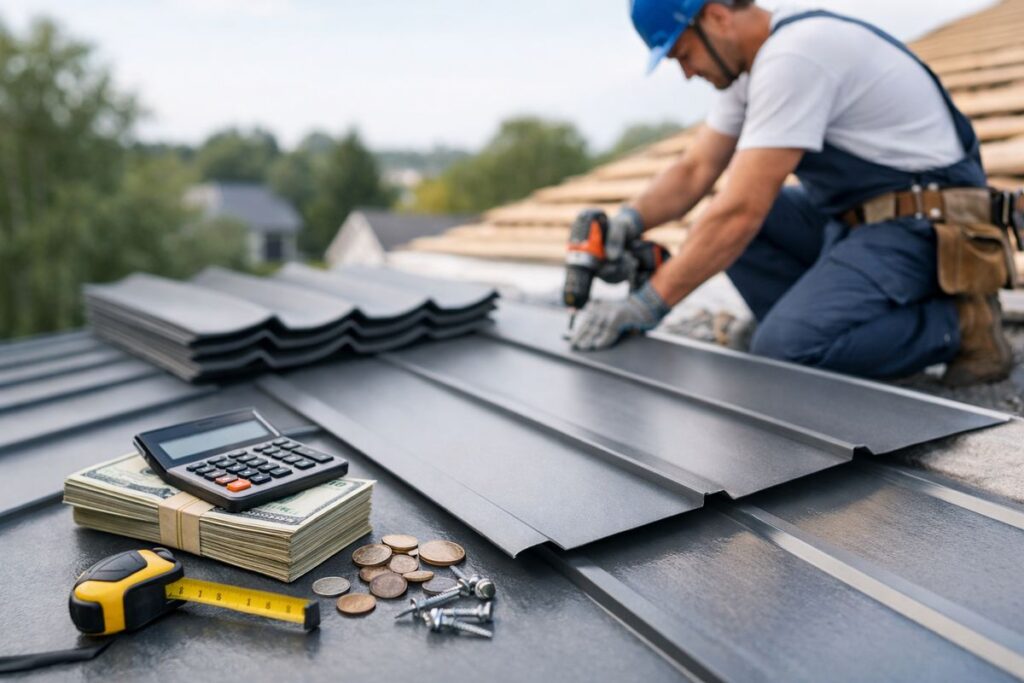
If you’ve started getting metal roof quotes, you’ve probably already seen the problem: one number looks manageable, the next jumps by thousands, and suddenly it’s hard to tell what a normal metal roof installation cost even is. The truth is simple, metal roofing is priced as a range, not a flat fee, and once you know what moves that range, the quotes start making a lot more sense.
What a Metal Roof Installation Actually Costs
A realistic national baseline for metal roof installation cost in 2026 is about $7 to $30 per square foot installed, with premium materials sometimes climbing past that. For a typical 2,000-square-foot home, many projects land around $25,000 to $40,000, though a simple roof can come in lower and a complex coastal replacement can easily push higher.
That spread feels wide because it is wide. A clean, low-slope roof with easy access and basic steel panels is one job. A steep, cut-up roof in Bradenton with valleys, skylights, tear-off, custom trim, and corrosion-resistant materials is a completely different job, even if the home footprint looks similar from the street.
A quick price range by home size
Roofing is usually priced by square foot and sometimes by “square,” which just means 100 square feet of roofing area. So if a contractor says 20 squares, that means roughly 2,000 square feet of roof surface, not necessarily 2,000 square feet of interior living space.
As a rough guide, a smaller home with about 1,200 to 1,500 square feet of roof area may fall somewhere around $12,000 to $28,000. An average-size home with roughly 1,800 to 2,200 square feet of roof area often lands around $25,000 to $40,000. Larger homes with 2,500 to 3,500 square feet of roofing can run $35,000 to $70,000 or more, especially if the roof design is complicated.
Those are ballpark ranges, not promises. Roof area, pitch, and details matter more than your home’s sales listing.
Why prices can swing so much from one quote to the next
Two homes can have the same footprint and still get very different bids. That’s because metal roofing prices move fast based on panel type, metal type, gauge, roof height, tear-off needs, trim package, underlayment, and how hard the roof is to work on safely.
Labor is a huge part of the story. Research shows about 60% of total cost can come from labor, which explains why a simple ranch and a two-story roof with dormers never price the same. If one quote is far below the others, the difference is often hidden in scope, not magic savings.
The Biggest Factors That Change Your Final Price
Most homeowners think they’re paying for “a metal roof.” You’re really paying for a full roofing system: panels, underlayment, flashings, trim, labor, tear-off, disposal, repairs, permits, and the skill it takes to put all of that together without creating leak points.
Material type: steel, aluminum, copper, and more
Material choice sets the tone for the whole budget. Steel usually sits in the practical middle ground. It’s common, durable, and often gives you the best balance of price and performance for inland homes. Aluminum usually costs more upfront, but it resists corrosion better, which matters a lot around the Gulf. Copper is the premium end, beautiful and long-lasting, but far outside what most homeowners want to spend.
In coastal parts of Manatee County, that extra aluminum cost can be worth it. Salt air is hard on roofing materials, and saving money on cheaper metal up front can backfire if corrosion becomes the long-term story.
Roof complexity and labor
Here’s where it gets expensive fast. Valleys, hips, dormers, vents, chimneys, skylights, and multiple roof planes all add cutting, flashing, fitting, and sealing work. Steeper roofs also slow everything down because every move takes more time and more safety setup.
That’s why labor-heavy metal roofing can feel a little like tile work in a shower. The material matters, sure, but the corners and details are where the real effort lives. A simple roof lets installers move quickly. A cut-up roof turns the same material into a longer, more technical project.
Tear-off, deck repairs, and hidden damage
If your old shingles have to come off, your price goes up. Tear-off and disposal add labor, dumpster costs, and time. In some cases, installing metal over one existing shingle layer is allowed and can save $2,000 to $4,000 on removal and disposal.
The catch is what shows up after tear-off. Rotten decking, old leaks, soft spots, and trapped moisture are common surprises, especially after years of Florida storms. That extra repair work is not fluff. It’s the part that keeps your new roof from being installed over old problems.
Cost by Metal Roofing Type
This is usually the section homeowners scroll to first, because product type changes price more than almost anything else.
Corrugated or exposed-fastener metal
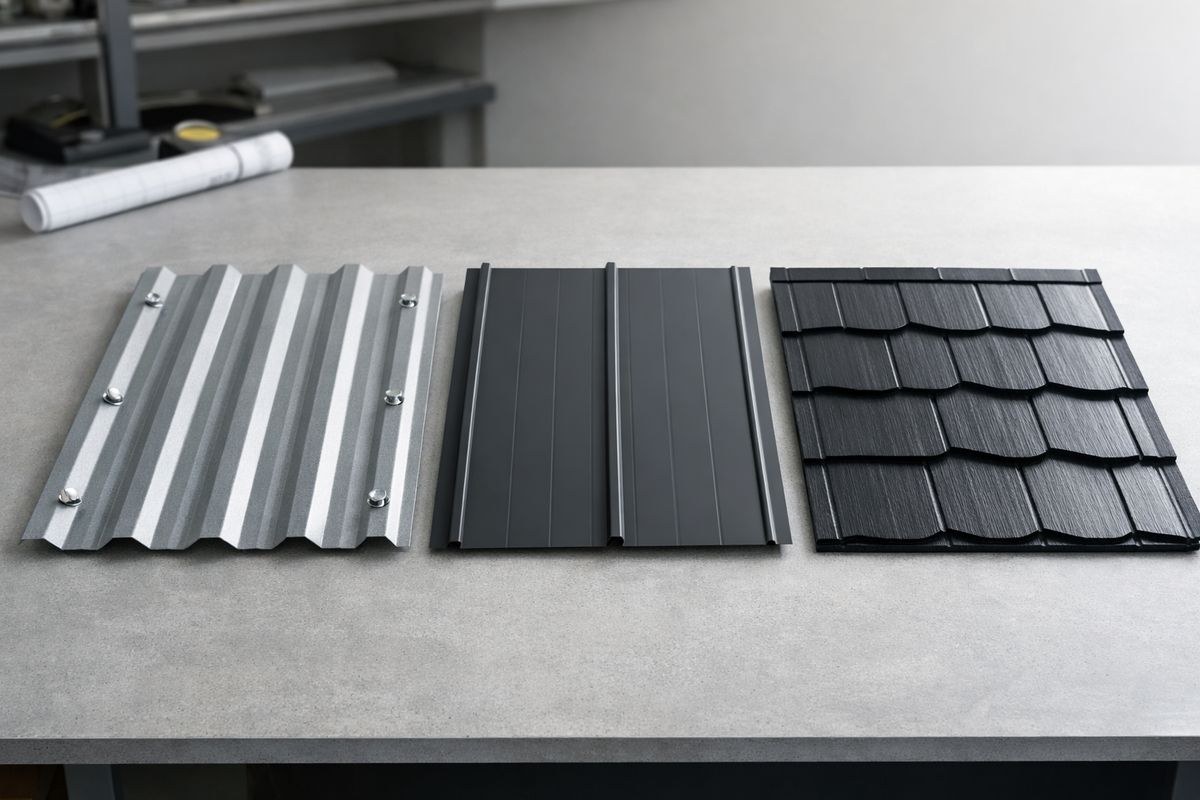
Corrugated or exposed-fastener metal is usually the lower-cost entry point. Installed pricing often falls around $5.50 to $11.50 per square foot. That lower number gets attention for obvious reasons.
But this system comes with tradeoffs. Exposed screws mean more visible hardware and more long-term maintenance points. For barns, sheds, workshops, and some budget-focused homes, it can make sense. For a primary residence where you want a cleaner look and stronger long-term weather performance, it’s often not the first choice.
Standing seam metal roofing
Standing seam usually costs more, often around $10 to $17 or more per square foot installed. The reason is pretty straightforward: hidden fasteners. In plain English, the screws are covered instead of exposed to weather, which creates a cleaner appearance and usually better long-term performance.
This style is widely seen as the better residential option because it handles expansion, contraction, and weather exposure more gracefully over time. If you want a deeper look at panel style and why homeowners often move this direction, it helps to read about how this concealed-fastener system works before comparing bids.
Metal shingles, stone-coated options, and premium materials
Metal shingles and stone-coated systems sit in the middle-to-upper part of the price range. Homeowners often choose these when the goal is metal durability without the more modern standing seam look. You get a more traditional profile, sometimes closer to shingles, tile, or shake, with a longer lifespan than asphalt.
Premium materials such as copper sit in a different category altogether. Copper is stunning, lasts a very long time, and costs accordingly. If curb appeal and legacy value are the priority, it can be the right choice. If budget matters, steel and aluminum are where most practical comparisons happen.
Metal Roof vs. Shingles: Is the Higher Price Worth It?
This is the real question, and the honest answer is yes, sometimes absolutely.
Upfront cost versus lifetime cost
An asphalt shingle roof on a 2,000-square-foot home might cost about $10,000 to $15,000 installed, while a metal roof on the same home may run roughly $20,000 to $44,000. That’s a real difference, and there’s no point pretending otherwise.
But upfront cost is only part of the math. Metal roofs typically last 40 to 80 years, while asphalt usually needs replacement much sooner. If you stay in your home long term, the cheaper roof can end up costing more because you may pay for two or even three shingle replacements over the life of one good metal roof.
Storm resistance, energy savings, and resale appeal
In Florida, roof decisions are not just about appearance. Storm season changes the conversation. A well-installed metal roof can offer better durability in high winds, fewer failure points with the right system, and stronger long-term weather performance than a lower-cost roof installed to the bare minimum.
Reflective finishes can help with cooling, too. Under the right conditions, cool roofing materials can reduce cooling energy costs by up to 20%. And when it’s time to sell, a longer-lasting roof with better curb appeal can make your home easier to market, especially when buyers know they are not inheriting an old shingle roof.
Local Cost Considerations in Bradenton and Manatee County
National averages help, but Gulf Coast conditions matter more when the roof is over your house.
Coastal exposure, corrosion resistance, and material choice
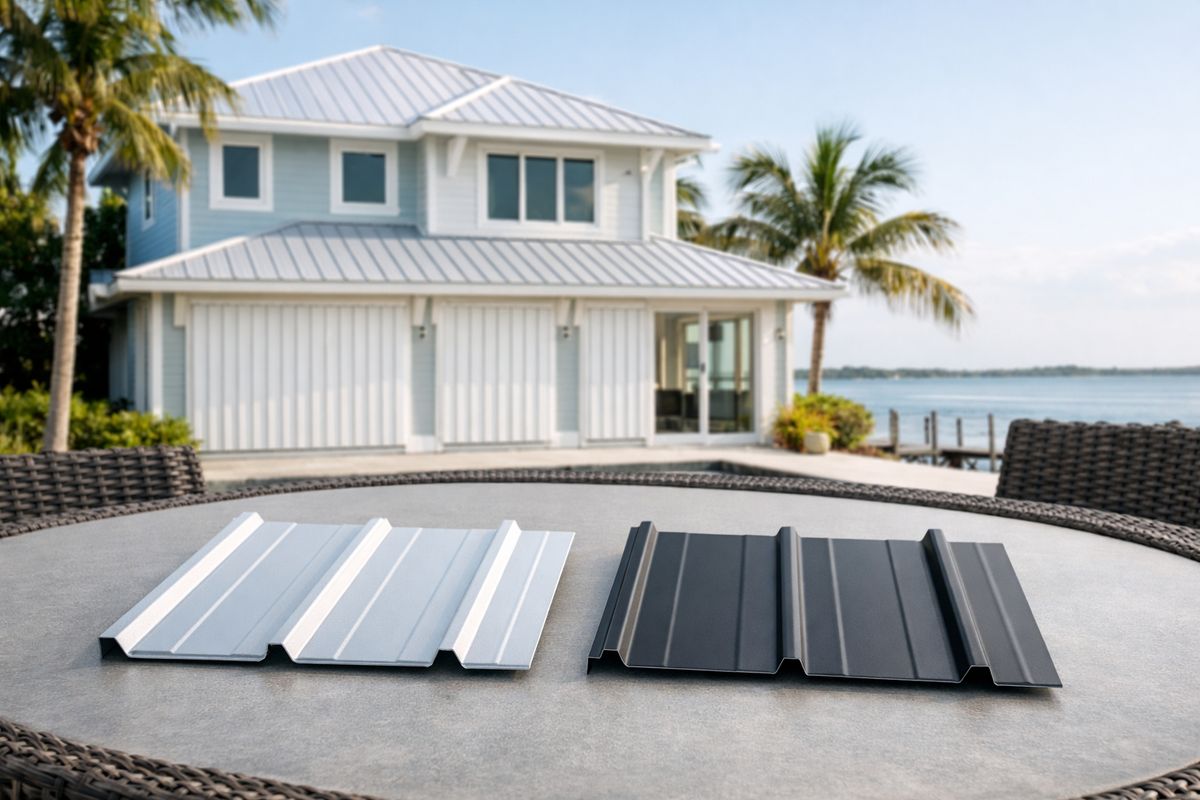
If your home is inland, steel may be a smart value choice. If you’re closer to the water, corrosion resistance moves up the list fast. Homes near Bradenton’s coastal edges, Anna Maria Island, Longboat Key, and other waterfront areas deal with salt air that can age the wrong material faster than expected.
That’s why aluminum often becomes more attractive near the coast, even if steel looks cheaper on the quote. If you’re comparing local options, it helps to review what goes into metal roofing choices in Bradenton with coastal exposure in mind instead of treating every metal type as equal.
Insurance claims, storm damage, and replacement timing
A lot of roof replacements don’t start with shopping. They start with a leak after a summer storm, missing shingles after wind, or a stain on the ceiling that shows up at the worst possible time. In fact, leaks and storm damage are two of the biggest reasons homeowners replace roofs at all.
If insurance is involved, timing and documentation matter. A good inspection usually looks at visible storm damage, failed materials, flashing issues, soft decking, active leaks, and signs that repair may only buy limited time. Photos, dates, and a clear written scope can make the claim process much easier and can also help you decide honestly between repair and full replacement.
How to Read a Roofing Quote Without Getting Burned
A roofing quote is only useful if it tells you what you’re actually buying. The bottom-line number matters, but it should never be the only thing you compare.
What a detailed estimate should include
A serious metal roofing estimate should spell out the material type, panel profile, gauge or thickness, underlayment, trim, flashing details, fasteners, tear-off, disposal, labor, permit costs, and warranty terms. It should also note whether deck repair is included, excluded, or billed as an allowance once hidden damage is uncovered.
According to industry guidance, a complete metal roof bid should include roof specs, material quantities, labor pricing, and warranty information. If the quote is vague, one page long, and light on details, that’s not simplicity. That’s risk.
Why the cheapest quote is usually not the best deal
Low bids can happen for legitimate reasons. Maybe the roof is simple. Maybe the contractor buys materials well. Maybe tear-off is not needed. But low bids also hide problems all the time, like thinner metal, weaker underlayment, missing flashing work, or shortcuts on trim and waterproofing details.
Metal roofing is less forgiving than shingles. If the panel layout is off, if flashing is sloppy, or if penetrations are mishandled, you may not notice the problem until the next heavy rain in August. By then, the “savings” can feel pretty expensive.
How many quotes to get and what to compare
Getting three quotes is smart, and you’re far from alone if that’s your plan. Recent survey data shows 66% of homeowners expect to get three roofing quotes.
Compare scope line by line. Look at material type, panel system, underlayment, flashing, workmanship warranty, project timeline, payment schedule, and cleanup. If one quote is lower, find out exactly why before calling it the best deal.
Smart Ways to Budget for a Metal Roof
A metal roof is a big purchase, but it doesn’t have to become a budget ambush.
When it makes sense to spend more
Paying more is usually worth it when the extra money buys better long-term performance. That often means choosing standing seam over exposed-fastener panels for your main home, aluminum over steel near salt air, better underlayment in storm-prone areas, or a contractor with real metal-roof experience instead of just general roofing experience.
This is one of those cases where the middle option is often smartest. Not the cheapest. Not the fanciest. Just the one that fits your house, your location, and how long you plan to stay.
Where you may be able to save
Savings usually come from simplification, not from cutting the wrong corners. A less decorative panel profile, a simpler trim package, or installing over one existing shingle layer where local code allows can lower the total. Choosing steel instead of aluminum for an inland property can also make sense.
The trick is matching the system to the house. A flashy premium material on a modest inland home may not give you anything useful beyond a bigger invoice.
Leave room for contingencies
Always keep room in the budget for surprises. Once tear-off starts, hidden deck damage, moisture issues, and code-related fixes can show up. That’s normal, not a sign that something shady is happening.
It’s also smart to hold back part of the payment until the job is complete. Industry advice often suggests keeping 20% to 30% unpaid until final punch-list items are handled and you’re satisfied with the finished work.
Common Mistakes Homeowners Make When Pricing a Metal Roof
Most bad roofing decisions start with one small misunderstanding that snowballs.
Focusing on price per square foot alone
Price per square foot is useful for a ballpark. It is not enough to compare real bids. A quote with better flashing, better underlayment, more trim work, and stronger warranty coverage may cost more per square foot and still be the better buy.
Think of square-foot pricing like the price of a plane ticket. It tells you something, but not whether bags, seat selection, and actual sanity are included.
Hiring a roofer who mostly does shingles
Metal roofing is specialized. That point deserves to be blunt. A contractor who installs shingles every day but only occasionally installs metal can turn a premium roof into an expensive headache.
Panel alignment, expansion and contraction, fastening methods, trim fabrication, and flashing details all matter more with metal. You’re not just paying for labor. You’re paying for the right labor.
Ignoring warranty details and installation methods
Material warranty and workmanship warranty are not the same thing. One covers the product. The other covers the installation. You want both explained clearly.
You also want manufacturer-approved installation details, because metal systems punish shortcuts. A long material warranty means very little if the roof was installed in a way that creates leaks around transitions, penetrations, or edges.
Best Metal Roof Choices by Homeowner Situation
The best option depends on what problem you’re actually trying to solve.
Best if your main goal is lower upfront cost
If your top priority is keeping initial cost down, exposed-fastener or corrugated metal will usually be the cheapest way into metal roofing. Steel is often the budget-friendlier material choice, too.
Just be honest about the tradeoffs. The look is more utilitarian, the fasteners are exposed, and long-term weather performance is usually not as strong as a better residential system.
Best if you want the longest-term value
If your goal is the best long-term balance of lifespan, appearance, and weather performance, standing seam steel or aluminum is usually where the conversation should land. You’ll pay more now, but you’re buying a system that usually holds up better, looks cleaner, and lowers the odds of paying for another full replacement too soon.
For many homeowners, this is the sweet spot.
Best if your home is near the coast
If your home sits near the water in Bradenton, Anna Maria Island, Longboat Key, or another salt-air area, aluminum deserves a serious look. It usually costs more than steel, but corrosion resistance matters enough near the coast that the upgrade often makes practical sense, not just theoretical sense.
Best next step if you’re deciding between repair and replacement
If you’re on the fence between fixing what you have and replacing the whole roof, get a roof inspection and ask for a repair-versus-replacement breakdown in writing. That one step can save you from spending good money on a patch when the full system is already near the end.
This week, get three detailed quotes and compare the scope line by line, not just the total. That’s the fastest way to turn a confusing metal roof installation cost into a decision you can actually trust.
Frequently Asked Questions
How much does a metal roof cost for a 2,000-square-foot house?
A lot of 2,000-square-foot homes land around $25,000 to $40,000 for a full metal roof installation, but the final number depends on the roof design, metal type, labor, and whether tear-off or deck repair is needed. A simple roof can be lower. A steep or complex roof can be much higher.
Is a metal roof more expensive than shingles?
Yes, almost always upfront. But metal usually lasts much longer, often 40 to 80 years, so the lifetime cost can be better if you stay in the home long enough to avoid multiple shingle replacements.
Can you install a metal roof over shingles?
Sometimes, yes. If local code, roof structure, and roof condition allow it, installing over one existing shingle layer can save money on tear-off and disposal. It’s not always the best choice, though, especially if hidden damage or moisture problems are a concern.
Why is one metal roof quote so much higher than another?
The biggest reasons are usually material quality, panel system, labor scope, trim and flashing details, tear-off, and roof complexity. A much lower quote may also be leaving out important components, so compare the scope carefully before assuming it’s a bargain.
Is standing seam worth the extra cost?
For many homes, yes. Standing seam usually gives you hidden fasteners, a cleaner look, and better long-term weather performance than exposed-fastener panels. If the roof is on your primary residence and you care about longevity, it’s often money well spent.
Does a metal roof help in Florida heat and storms?
It can. Reflective finishes may reduce cooling load, and a properly installed system can perform very well in wind and storm conditions. That said, the installation quality matters just as much as the material, especially in a Florida climate.