

harry knapp
1 year ago
My roof had a water leak that appeared during our rainy season here in Florida. Alligator responded quickly, identified the problem and fixed it the next day at a reasonable/fair price.

Greg
1 year ago
I received a recommendation for a good friend for a reliable company to repair my roof. Once I reached out to Daniel, he immediately responded back. He response was concise and I felt good to book the appointment. His team showed up at the precise time to review the scope of the job and provide a price. The quote was in the range Daniel suggested and they repaired the roof the same day. This type of service level is unique in Florida. Thank you!
Response from the owner
It was such a great pleasure working with you Greg! Glad my team and I were able to provide you with our wonderful services and we hope to keep working with you in the future!1 year ago

John III
1 year ago
I sought out 3 companies to have gutters installed on my new house. I chose Alligator based on the 247 previous 5 star reviews and the price. Out of the 3, Alligator was the quickest to give me an estimate and the price was the least inexpensive. When they showed up, Kevin and his crew got right to work and the quality of the work was phenomenal and quick (06:30-09:00). The choice was the right one. I recommend them.
Response from the owner
Thank you so much for your 5-star review! We're happy we could provide a quick estimate, a competitive price, and high quality work. We appreciate your business and your recommendations !1 year ago

sergio mendes
1 year ago
Let me tell anyone reading this review right now that Alligator Roofing and Gutters is legitimately an outstanding group of people with both integrity and excellence in customer service. If you want a company that is committed to your best interest, give Dan and his team a call. I do sincerely believe they are the way to go. (Top notch service. Top notch results.) My new seamless gutters are exactly what I asked for, and I'm more than happy with the results. Thanks again to Phil, Jon and everyone over at Alligator Roofing & Gutters. Well done.
Response from the owner
Sergio!!!!! Love this review. Thank you so much for highlighting the wonderful members of our team! We enjoy working for customers like you!1 year ago

Veleria Nash Lawson
1 year ago
We are so happy that we found Alligator roofing. Every person that we have had contact with has been extremely professional including the owner. The office assistant Lorna is one of the most pleasant people that I have ever communicated with. The roofing installers were on time, polite, very neat, leaving everything in excellent shape when they finished. Their pricing is fair and they never tried to up charge us on anything. If you use this company you won't regret it.
Response from the owner
Thank you very much Veleria. We really enjoyed working with you, we loved reading your kind review! Glad we could check all the boxes for you!1 year ago

Bonyfac
1 year ago
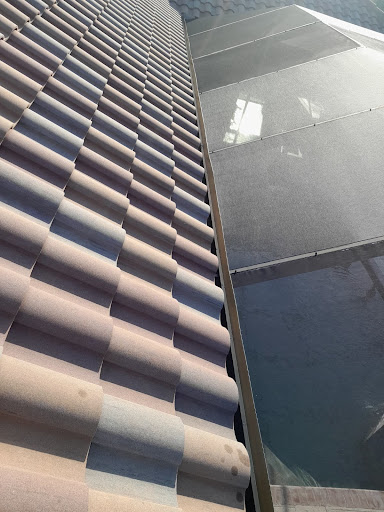
Very good experience with the work of Alligator Roofing & Gutters. Perfect work, very early start of work on my roof. I was very satisfied. Nice and helpful communication. I will contact them again next time.
Response from the owner
Thank you very much for your generous review. Happy we could leave you satisfied!
Thanks for your support!1 year ago

scott blackstone
1 year ago
Response from the owner
Thank you Scott for trusting us to replace your roof. We appreciate your 5 stars!!!1 year ago

Anna Gonnella
1 year ago
THEY WERE ABSOLUTELY THE BEST ! THE PRICES WERE FAIR, THE WORK DONE IN A TIMELY MANNER AND THE RESULTS WERE FABULOUS ! I WOULD RECOMMEND ART AND THE ALLIGATOR COMPANY TO ANYONE LOOKING TO HAVE THEIR BROKEN ROOF TILES REPAIRED ESPECIALLY NOW DURING HURRICANE SEASON !!!
Response from the owner
Thank you Anna for your great review! We appreciate your support and kindness. We love working for people like you!! Art says thank you!1 year ago

Jenny Williams
1 year ago
Small repair done seamlessly:)
Response from the owner
Thank you very much Jenny for your review and support. Happy we were able to make it seamless for all!1 year ago

Cynthia Jacob
1 year ago
I am so glad that I came in contact with this company. 10/10 for their services. They are really good at their work. Arth the roof technician figured out where the leak is from and he repaired it. I am so thankful to all of you guys! Great work and I will suggest to my friends if they ever need any assistance.
Response from the owner
Thank you for your wonderful review Cynthia! It was such a pleasure working with you. I'm delighted to know we were able to provide you with our great services. We hope to keep working with you in the future.1 year ago