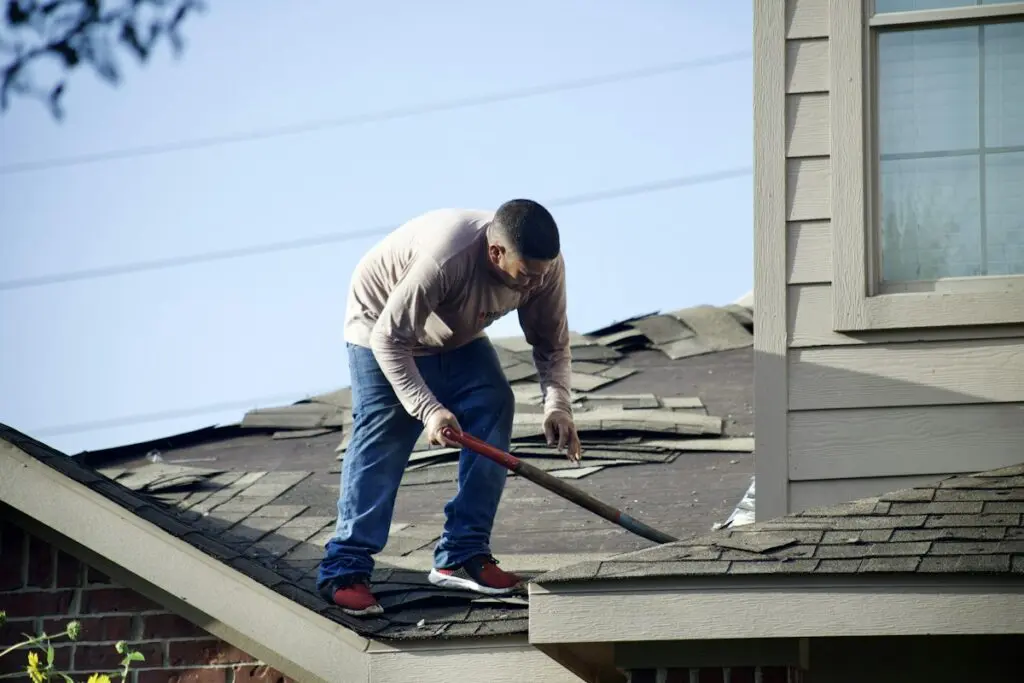
A ceiling stain appears after a Bradenton downpour, but your roof looks fine from the driveway. A home roof inspection helps you sort out what comes next: a small fix, a replacement, or more investigation before you spend money.
What a home roof inspection can actually tell you
A home roof inspection assesses accessible roofing materials, visible structural conditions, and signs of moisture to identify damage, maintenance needs, and areas requiring further investigation.
Your roof’s age alone does not tell you whether it needs replacement. A professional roof inspection supports three useful outcomes: fix a defined problem, monitor a documented condition, or investigate before deciding. It cannot guarantee an exact remaining lifespan or reveal every concealed defect.
Schedule an assessment for an aging roof, new leaks, suspected storm damage, or a property purchase. A baseline before trouble appears also gives you something to compare against later.
An annual inspection is a reasonable starting point. Adjust timing for storm exposure, overhanging trees, and your warranty’s actual requirements rather than assuming every warranty follows the same rule.
What should a roof inspection include?
Your checklist should cover roof planes and edges, gutters and drainage, flashing (pieces sealing joints), vents and other penetrations, transitions, and visible workmanship. Accessible attic conditions and interior moisture evidence belong in the assessment, too. Use this breakdown of items worth confirming in your scope before booking.
Ground views, safe close-up access, attic access, and drone images reveal different information. Drone photos cannot establish concealed conditions. Flashing, penetrations, and transitions deserve attention because common failure points can leak while the surrounding roofing looks sound.
Asphalt shingles: look beyond missing tabs
Look for curling, cracking, displaced shingles, exposed fasteners, and concentrated granule loss. Ordinary aging is not automatically storm damage; a damage finding needs supporting evidence.
Broad lifespan estimates run 15-20 years for three-tab shingles and 20-30 for architectural shingles. Florida exposure, installation, and actual condition matter more than the calendar.
Metal roofs: check seams, fasteners, and movement
Checks include loose or backed-out fasteners where applicable, seam problems, corrosion, damaged coatings, and penetration details. Exposed-fastener and standing-seam systems need different checks, including how connections accommodate movement.
The broad 40-70-year material-life estimate is not a prediction for your roof.
Tile roofs: intact tiles do not prove the whole system is sound
Look for broken or slipped tiles, flashing problems, attachment concerns, and accessible evidence of underlayment trouble. Clay or concrete tiles can last 50-plus years while components underneath need attention sooner.
Leave access to a professional. Walking on tile can cause damage.
Low-slope roofs: drainage and seams deserve extra attention
Your assessment should address standing-water evidence, blocked drains or scuppers (drainage openings), open seams, punctures, and roof-to-wall or equipment connections. Low-slope roofs use different systems, so one checklist or universal lifespan cannot describe every roof.
What visible damage cannot tell you and when to act urgently
A ceiling stain does not pinpoint the entry point
Water can travel along decking or framing before appearing indoors. A stain might reflect a roof leak, attic condensation, HVAC condensate, or plumbing moisture. The stain alone does not establish the source.
Intact surface materials do not verify concealed underlayment, decking, or framing. Follow-up might include accessible attic review, moisture measurements, a controlled water test, or an authorized targeted opening. Confirm scope, cost, and restoration responsibilities before invasive work begins.
Sagging or unstable conditions change the priority
No single finding is always the biggest home-inspection red flag. For your roof, sagging, suspected structural instability, and substantial active water intrusion deserve urgent attention.
Stay out of affected rooms and the attic if ceilings bulge, framing appears damaged, or water reaches electrical fixtures. Photograph conditions from a safe location and protect belongings only when safe. Never climb onto a wet roof or attempt storm-time tarping.
Contact emergency services for immediate danger. Arrange prompt professional assessment for urgent roof damage.
What you should confirm before booking an inspection
How much does a house roof inspection cost?
A published budgeting guide gives inspection costs of $150-$400, averaging about $247. That is not a verified Bradenton or Manatee County quote. Size, complexity, access, inspection method, documentation, and specialist testing affect your price.
Confirm whether a free roof inspection includes a written condition report or mainly supports a repair estimate. When searching “roof inspection near me,” compare relevant Florida licensing, insurance, material experience, sample reports, and written scope. Avoid pressure to sign immediately.
A purchase inspection and a roof certification serve different purposes
A general home inspection typically provides a broader, more limited roof review. A dedicated roof inspector focuses on roof condition.
A roof certification is a specific document governed by the recipient’s requirements, not a blanket guarantee or automatic inclusion. Confirm the accepting recipient, access limitations, exclusions, required photos, condition statements, and forms.
If you’re buying, use this guide to checking the roof before buying a home to prepare your scope questions.
How to turn your roof inspection report into a repair decision
Separate the finding from the suspected cause
Expect dated photos, labeled locations, observed conditions, accessible and inaccessible areas, urgency, and recommended follow-up. Cost and lifespan estimates should be labeled as estimates.
Consider this hypothetical Bradenton example:
Observed: Lifted flashing beside a plumbing vent and a ceiling stain after wind-driven rain.
Suspected: Water entry at that flashing; concealed decking condition remains unconfirmed.
Next step: Evaluate accessible moisture evidence, repair a confirmed defect, and reassess whether symptoms stop.
Before approval, get an explanation of the evidence connecting the defect to the leak, what remains hidden, and how any damaged decking discovered during repair will be documented and priced.
Match the scope of work to the evidence
Favor targeted roof repair when damage is localized and surrounding materials can support a durable fix. Consider replacement when deterioration is widespread, failures recur, or a lasting repair is no longer practical. For an aging roof, compare the trade-offs behind either approach against the documented findings.
Monitoring fits documented, nonurgent conditions with a clear recheck trigger, such as a change in appearance or another leak.
Request separate repair and replacement explanations when either is proposed. An inspection finding describes condition. A sales estimate proposes work. An insurance coverage decision follows your policy. Keep those judgments separate.
Frequently asked questions
How long does a roof inspection take?
Your appointment length depends on roof size, safe access, attic review, and inspection method. When booking, confirm how long the roof inspection should take and when your written report will arrive. On-site time and report-delivery time are separate commitments.
Should you get a roof inspection after installation?
A roof inspection after installation can document visible workmanship and identify punch-list items, meaning unfinished details or corrections. Keep the contractor’s review, required permit inspections, and warranty obligations distinct. One review does not automatically satisfy every requirement.
Can an inspection help with an insurance claim?
Dated photographs and written observations can support your documentation, especially alongside an earlier condition record. An inspection does not establish coverage, guarantee payment, or automatically prove when damage occurred. Keep your inspection report with your storm and repair records.
What should you have ready before your appointment?
Gather your roof’s approximate age, past repair records, warranty, storm dates, and safely taken leak photos. Start with one useful step: photograph the stain today and note when it gets darker or larger, then share that record at your appointment.