A metal roof can look rock solid right up until the day a brown ceiling stain shows up after a hard Bradenton afternoon storm. That is why metal roof maintenance matters more than most homeowners think: not because metal roofs are fragile, but because small problems turn into expensive decisions fast. You only need a simple plan, a good eye for warning signs, and the right next step when something looks off.
Why Metal Roof Maintenance Matters More Than Most Homeowners Realize
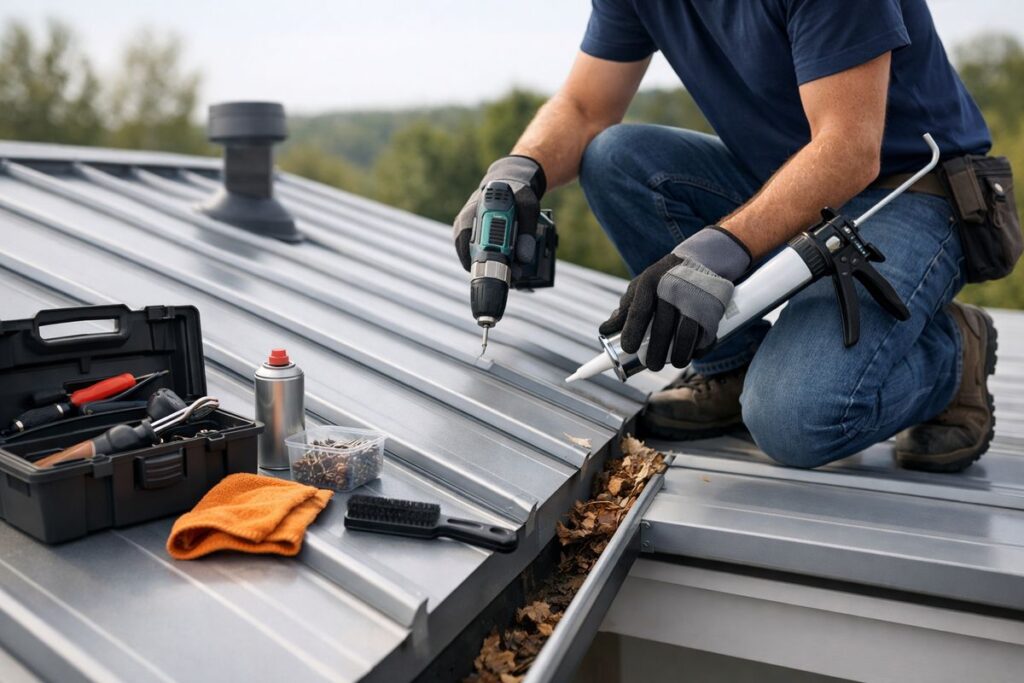
Metal roofs earn their reputation. They last a long time, handle rough weather well, and usually ask for less upkeep than many other roofing materials. In plain English, metal roof maintenance means checking the roof on a regular schedule, keeping it clean, and fixing small trouble spots before water gets under panels or around roof openings. It is mostly prevention, not constant repair.
That distinction matters. A premium roof is not a set-it-and-forget-it part of your house. If a screw backs out, sealant dries out, flashing lifts, or a gutter clogs, the roof system can start failing at the edges long before the panels themselves wear out. The damage often starts quietly.
That is especially true in Manatee County. Salt air, humidity, intense UV exposure, wind-driven rain, and storm debris all put pressure on metal roofing systems. Even a durable roof can develop weak points around penetrations, trim, valleys, and fasteners. After enough hot days, hard downpours, and tropical weather, those weak points stop being small.
Metal has become a bigger part of the residential market for a reason. It held about 17% of U.S. homes in early 2024, largely because homeowners want durability and energy efficiency. The catch is simple: the long lifespan only pays off if you protect it.
What “metal roof maintenance” actually means
Think of maintenance like routine service for a vehicle you want to keep for years. You are not rebuilding the engine every season. You are checking what loosens, cleaning what builds up, and dealing with wear before it spreads.
For a metal roof, that usually means inspecting panels, seams, fasteners, flashing, sealants, roof penetrations, gutters, valleys, and drainage paths. It also means watching for surface changes such as scratches, rust, chalking, mildew, or coating wear. Most of this is boring, honestly, and that is a good thing. Boring maintenance beats emergency leak repair every time.
Why Florida weather changes the maintenance picture
Florida weather speeds everything up. Salt in the air can push corrosion faster near the coast. Humidity keeps surfaces damp longer. Summer heat bakes sealants and washers. Wind-driven rain forces water sideways into places a calm shower never reaches.
Then come the storms. Branches fall, palm fronds pile up, gutters clog, and trim can loosen at the edges. More than 22% of roof replacements in 2024 were tied to storm damage, which tells you how often weather changes the whole conversation.
Start With a Safe, Simple Roof Check
If your roof is aging, leaking, or showing storm wear, start simple. You do not need to climb anything to learn a lot. A walk around the house, a pair of binoculars, and a quick attic check can tell you whether you are looking at routine maintenance, a repair call, or something bigger.
Take photos as you go. That one habit makes every next step easier, especially if you end up comparing estimates or talking with insurance later.
What you can look for from the ground
Start with the obvious. Look for loose or uneven panels, lifted seams, rust spots, missing trim, dented sections, sagging gutters, and debris piled in valleys. On exposed-fastener systems, backed-out screws can sometimes be visible from the ground if the light hits right.
Walk the perimeter after a storm and look up slowly. That five-minute loop around the house often reveals the first clue. A bent edge here, a branch impact there, leaves packed into a low spot near a valley. Small details, big signal.
What to check inside your home
Leaks often announce themselves indoors first. Check ceilings for stains, especially around exterior walls, skylights, chimneys, and vent locations. In the attic, look for damp insulation, musty smells, peeling paint, dark wood staining, visible drips, or daylight where it should be dark.
Do not assume the leak is directly above the stain. Water travels. A roof issue near a vent boot or seam can show up several feet away inside, which is part of what makes DIY guesswork so frustrating.
When not to get on the roof yourself
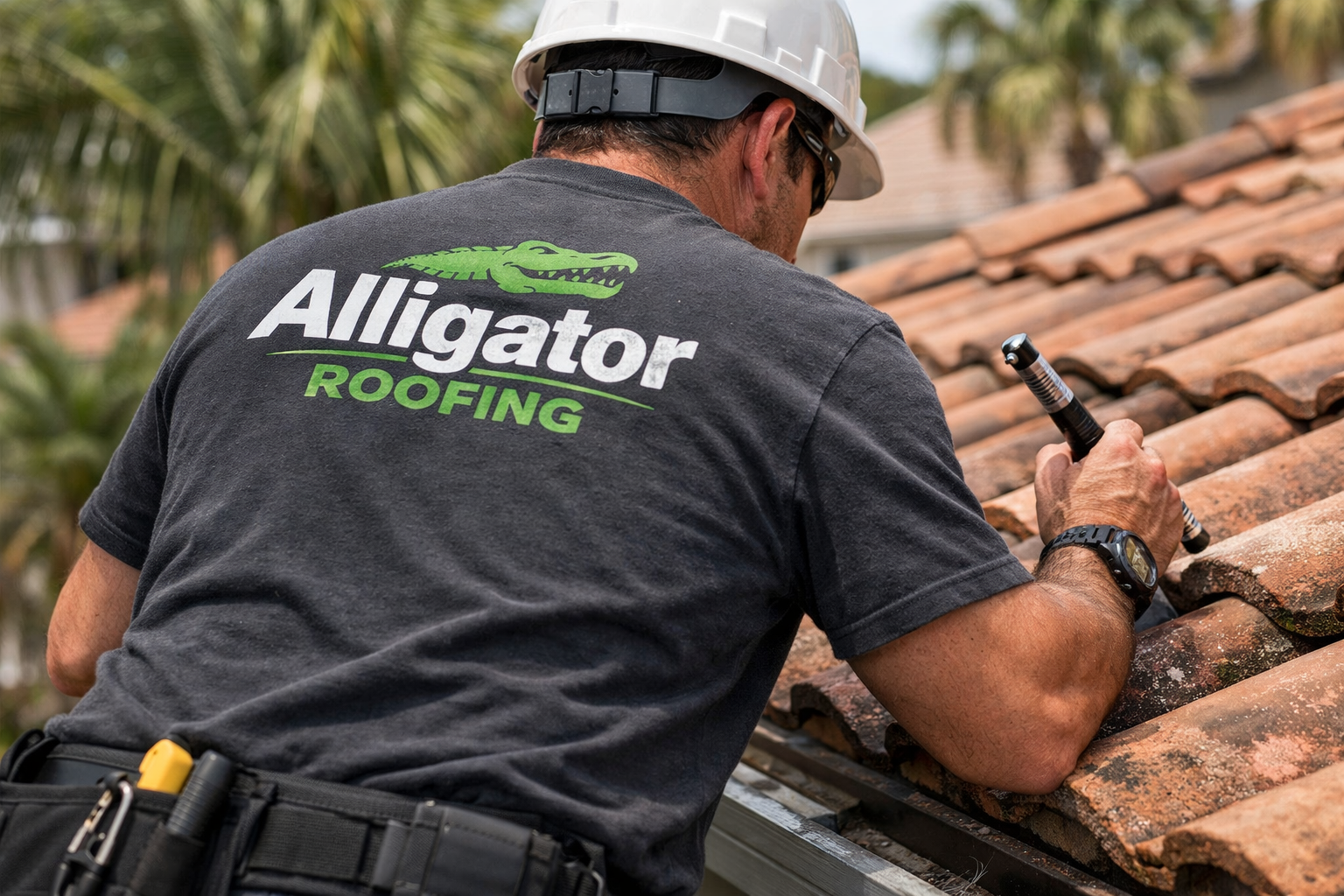
Here is the clear line: do not climb onto a metal roof if it is wet, recently rained on, visibly damaged, or baking in high heat. Metal gets slick like a wet cookie sheet, and even a little condensation, algae, or storm residue can turn a simple check into a fall.
If the roof is steep, high, or already showing movement, stay off it. Ground-level photos and an attic check are enough until a trained roofer takes over.
The Main Problem Areas That Need Attention
Most metal roof problems do not start in the middle of a solid panel. They start where pieces meet, where materials change, or where water slows down. That is where maintenance pays for itself.
Fasteners, seams, and flashing
Fasteners hold panels in place. Seams are the joints where panels connect. Flashing is the shaped metal around edges, walls, vents, chimneys, skylights, and other transitions that keeps water out.
On screw-down roofs, fasteners need regular attention because exposed screws and neoprene washers age in the sun. A screw can loosen, tilt, or back out just enough to create a leak path. On standing seam systems, the fasteners are usually hidden, but seams, clips, flashing, and trim still need inspection. If you want a clearer picture of how those systems differ, this guide to concealed-fastener metal panels is worth reading.
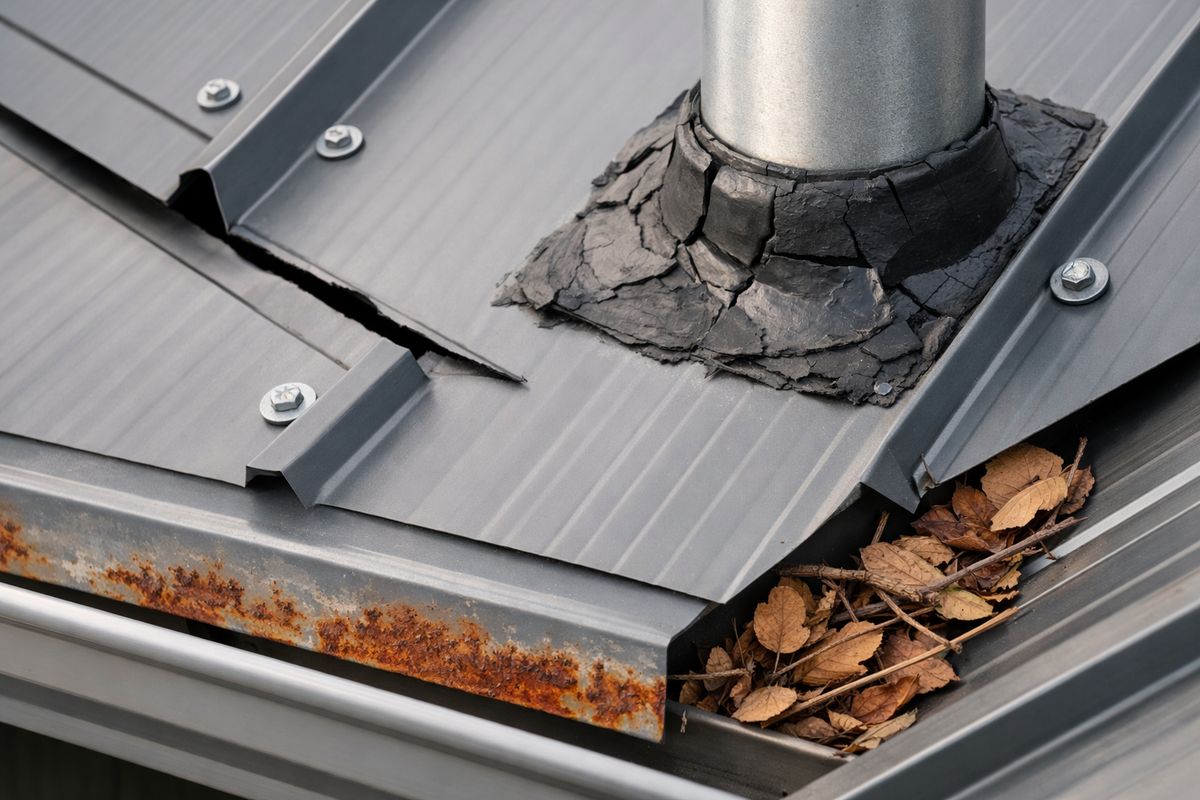
Separated seams, cracked flashing, or loose trim are not cosmetic details. They are early leak points.
Sealants and roof penetrations
Roof penetrations are anything that sticks through the roof: vents, pipes, skylights, satellite mounts, exhaust fans. These areas move, expand, contract, and take constant weather exposure, so they are some of the most common trouble spots on any metal roof.
Sealants around those spots do not last forever. Sun, heat, rain, and time dry them out. Once that happens, water can work its way into tiny gaps. The trick is to treat failing sealant as a sign to inspect the whole detail, not just smear fresh caulk over the top. Short-term patch jobs usually fail during the next serious storm.
Surface issues: dirt, chalking, rust, and scratches
Some surface wear is mostly cosmetic. Dust, pollen, mildew streaks, and light dirt can often be cleaned without much drama. But scratches, coating failure, oxidation, and rust need attention sooner rather than later.
If the finish is damaged and bare metal is exposed, corrosion can spread. Near the coast, salt air makes that more urgent. A little rust spot is not always a crisis, but it is never something to ignore for another year.
Gutters, valleys, and drainage paths
A metal roof does one job especially well: move water fast. That only works if the drainage path stays open.
Leaves, seed pods, branches, and grit can collect in valleys and gutters, especially after storms. If water backs up at the edge, it can push under trim, overflow onto fascia, or sit where it should be draining. Suddenly the roof problem is really a water-management problem.
Cleaning and Seasonal Maintenance Without Damaging the Roof
Cleaning helps, but bad cleaning causes damage. That is the part many homeowners miss.
Safe cleaning basics
Start gently. A garden hose, soft brush, and cleaner approved for your roof type are usually enough for routine surface cleaning. Test any cleaner on a small area first, especially if the roof has a painted finish or protective coating.
Avoid abrasive pads, wire brushes, harsh solvents, and random chemical mixes from the internet. Pressure washing is where a lot of good intentions go wrong. In the wrong hands, it can strip coatings, dent trim, or force water into seams and under flashings.
Dealing with algae, mildew, moss, or salt residue
In humid coastal Florida, algae, mildew, and salt residue are more common than most homeowners want to admit. Shaded areas tend to stay damp longer, which makes buildup worse around overhanging trees or north-facing sections.
Moss is less common on many metal systems than on shingles, but it can still show up in damp, shaded spots. The bigger issue is trapped moisture. If growth is holding moisture against seams, fasteners, or trim, clean it sooner rather than later.
A simple maintenance schedule for the year
Keep the schedule easy enough that you will actually do it. Check the roof from the ground after major storms. Do a more thorough visual review in spring and fall. Clean gutters and valleys before rainy stretches. Trim branches that rub or drop debris. If anything leaks, shifts, rusts, or looks odd, schedule an inspection.
A yearly professional inspection is a smart baseline, especially on aging roofs. Metal roofs can last over 50 years, but long life only happens when small issues get caught early.
Repair or Replacement? How to Tell What Your Roof Is Really Asking For
This is where most homeowners get stuck. A leak does not automatically mean replacement, and an old roof does not always mean it is done. But chasing repeated issues across a failing system gets expensive fast.
Signs a repair still makes sense
Repair is usually the right move when the problem is isolated. A few loose fasteners, one flashing failure, a localized sealant breakdown, a small rust spot, or limited storm damage can often be fixed without replacing the whole roof.
That works best when the roof is still structurally sound and the problem has a clear source. A targeted repair can buy real time, sometimes years, if the surrounding system is in good shape.
Signs replacement is the smarter move
Replacement starts making more sense when the problems are widespread or keep coming back. Recurring leaks in different areas, extensive corrosion, panel movement, failing underlayment, storm damage across multiple sections, and a long history of patching are all warning signs.
Here is the blunt version: if every heavy rain sends you hunting for a new stain, the roof is asking for more than another patch. At that point, repair money can start acting like rent on a roof you no longer trust. If you are already comparing next steps, this page on metal roofing options in Bradenton gives a practical look at what replacement can involve locally.
Why the type of metal roof matters
Not all metal roofs age the same way. Exposed-fastener systems, often called screw-down roofs, generally need more regular fastener and washer attention because those parts sit out in the weather. Standing seam systems hide the fasteners, which reduces one common maintenance issue, but seams, flashing, trim, and penetrations still need routine checks.
That difference matters when you are weighing repair against replacement. A roof with isolated fastener issues is a different situation from a roof with widespread panel movement or repeated seam failures.
What Storm Damage and Insurance Claims Change
On the Gulf Coast, storms change the timeline. What looked manageable last month can become urgent after hail, wind, or heavy rain.
What to document right after a storm
Take photos of dents, lifted panels, bent trim, damaged flashing, fallen branches, wet ceilings, attic drips, and anything new that showed up after the storm. Save the date of the event and keep everything in one folder on your phone or computer.
That single folder can save a lot of stress later. You want a clean timeline, not a scavenger hunt through your camera roll.
How maintenance history can help with claims
Insurance conversations go better when your roof does not look neglected. If you have photos from prior inspections, notes on repairs, and records showing that problems were handled promptly, it is easier to show the difference between sudden storm damage and long-term wear.
That matters because claims scrutiny gets tougher when a roof already shows obvious deferred maintenance. Good records do not guarantee anything, but they absolutely strengthen your position.
Why a roofing inspection should come before big decisions
A professional inspection should come before filing a claim, authorizing major repairs, or deciding on replacement. Cosmetic dents are not the same as functional damage. A minor leak is not the same as widespread system failure.
After major weather, speed matters too. Homeowners usually expect projects to start within two weeks of accepting a quote, so getting the inspection done early helps you move while schedules are still realistic.
Choosing the Right Metal Roofing Contractor for the Next Step
A good contractor does more than spot damage. The right one explains what matters now, what can wait, and what your roof is actually asking for.
Questions to ask before hiring anyone
Ask direct questions. Does the contractor have experience with your specific metal roof system? Can the contractor explain repair versus replacement without defaulting to the more expensive option? Will the inspection include flashing, penetrations, seams, drainage, and attic signs of moisture? How could the work affect warranties? Is the scope written down clearly?
Simple, clear answers are a good sign. Sales talk is not.
What transparent pricing and communication look like
A useful estimate breaks down the scope, materials, timeline, and likely next steps if hidden damage turns up. It tells you what is repair, what is optional, and what changes the price.
That kind of clarity is not a luxury. About 65% of homeowners are more likely to contact a roofer that shows transparent pricing. When a leak is active, fast and clear communication matters even more.
Why local experience matters in Bradenton and Manatee County
Local experience is practical, not just nice to have. Bradenton and Manatee County roofs deal with coastal air, summer downpours, hurricane-season wind, permit requirements, and familiar failure points on nearby homes.
A contractor who regularly works on local metal roofs is more likely to recognize what is storm-related, what is age-related, and what tends to fail first in this climate. That shortens the learning curve, which is exactly what you want when water is already getting in.
Your Next Move This Week
Do one simple thing this week: after the next rain, walk the perimeter of your house and take photos of anything that looks different. Check the ceilings inside, peek in the attic if you can, and write down what you notice while it is fresh.
That small habit turns vague worry into something usable. If you spot rust, lifted trim, debris buildup, fresh staining, or signs of a leak, schedule a metal-roof-specific inspection before the next storm gets a second chance.
Frequently Asked Questions
How often should you inspect a metal roof?
A basic visual check from the ground makes sense after major storms and at least twice a year, usually in spring and fall. A professional inspection once a year is a good routine for an aging roof or any roof with a history of leaks.
Can you pressure wash a metal roof?
Sometimes, but it is easy to do damage. Too much pressure or the wrong angle can strip coatings and force water into seams. Gentle rinsing and soft cleaning methods are usually the safer choice.
Are rust spots on a metal roof always serious?
Not always, but they should never be ignored. A small rust spot may be repairable if caught early. If rust is spreading, the coating is failing, or corrosion shows up in multiple areas, the problem is bigger than surface appearance.
Do metal roofs really need maintenance if they last so long?
Yes. Long-lasting does not mean maintenance-free. Metal roofs hold up well, but fasteners, flashing, sealants, drainage paths, and penetrations still need attention over time.
Should you repair or replace a leaking metal roof?
If the leak comes from one isolated issue and the rest of the roof is in good shape, repair often makes sense. If leaks keep showing up in different places, corrosion is widespread, or the roof has a long patch history, replacement is usually the smarter move.
Can maintenance records really help with insurance claims?
Yes. Photos, inspection notes, and receipts for prompt repairs help show that your roof was cared for before the storm. That makes it easier to separate sudden damage from long-term wear when questions come up.