A roof problem rarely shows up at a convenient time. Maybe you spotted a ceiling stain after one of those hard Bradenton afternoon storms, or maybe your roof is just old enough that every small leak makes you wonder if another patch is worth it. Choosing a metal roofing contractor gets a lot easier when you know what to look for before the estimates start flying.
Start with the roof problem you actually have
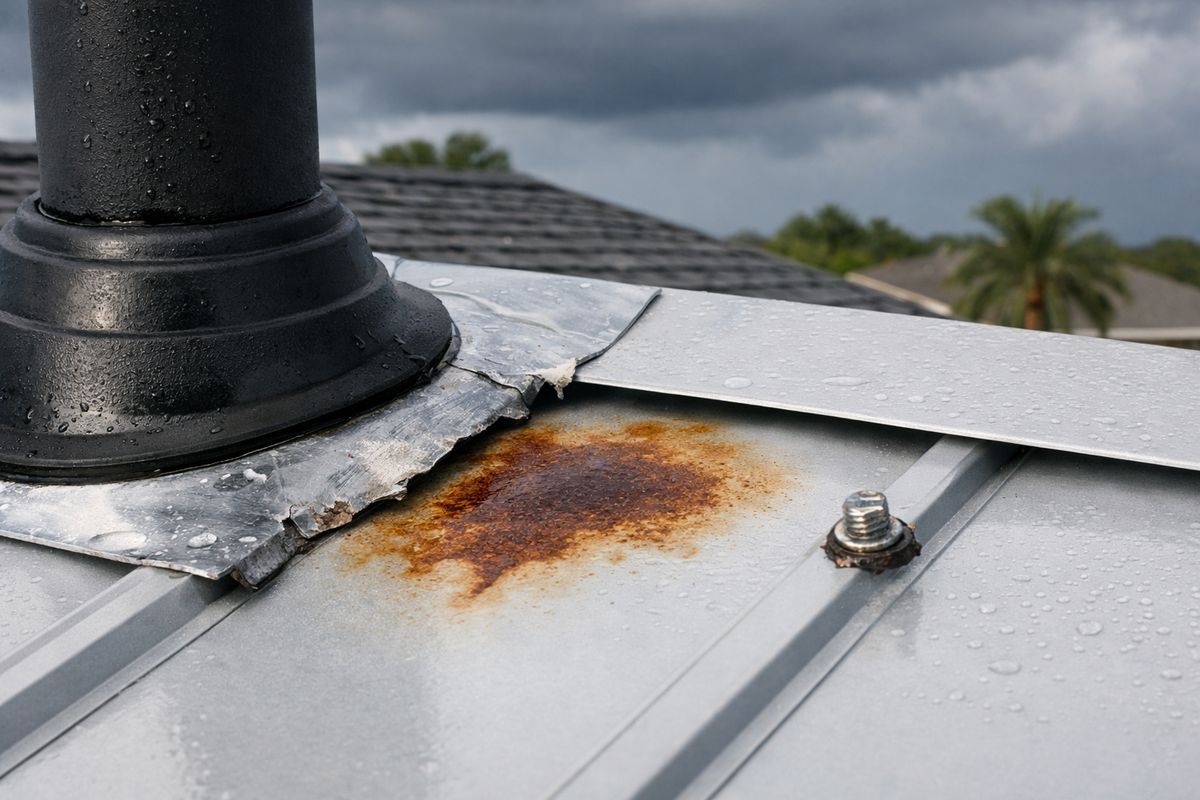
Not every roofing issue calls for the same answer, and that is where a lot of homeowners get tripped up. A loose fastener, damaged flashing, or a small leak around a vent boot can sometimes be repaired. Widespread rust, recurring leaks, soft decking, or storm damage across multiple sections usually point to a bigger fix.
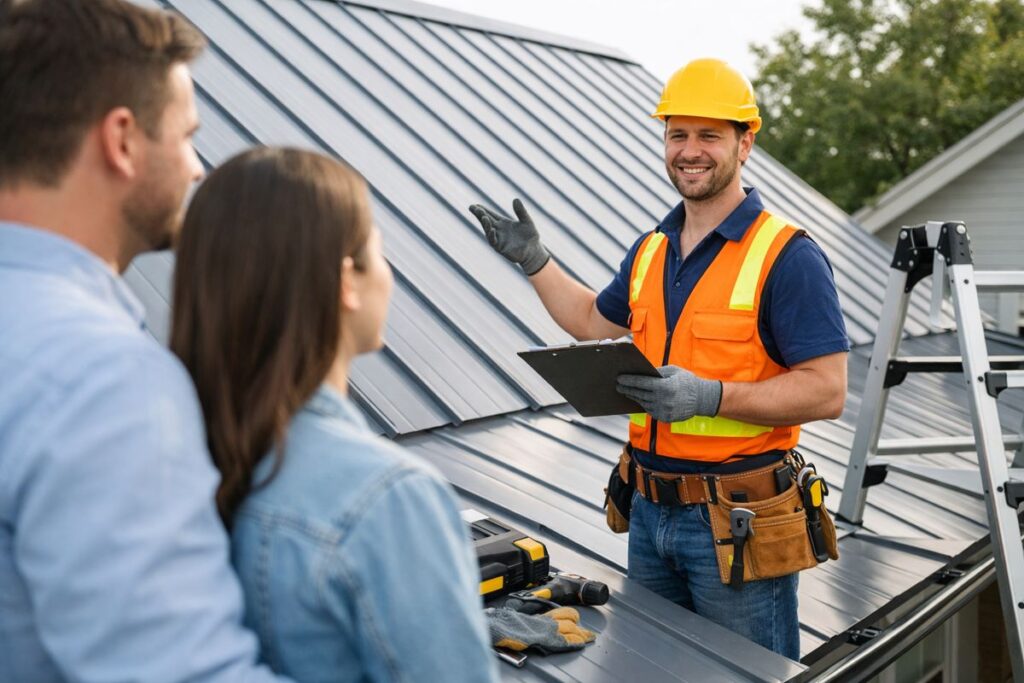
The trick is to slow the process down just enough to get a real diagnosis. If somebody glances up from the driveway and jumps straight to a full replacement, that is not trust, that is sales. A dependable contractor should inspect the roof closely, document what is wrong, and explain the difference between a short-term fix and a long-term solution in plain English.
Know what a metal roofing contractor should actually do
A real metal roofing contractor does a lot more than screw down panels. Metal roofing is a system. That includes the underlayment under the panels, the flashing around chimneys and walls, the fasteners or concealed clips, the trim details at edges and ridges, the ventilation that keeps heat and moisture under control, and the permit and code side of the job.
That matters because a metal roof usually lasts a long time when the whole system is done right. In fact, metal roofing demand keeps growing partly because homeowners want durability, energy efficiency, and better storm performance. But a good material cannot cover for bad installation.
Why metal roofing experience matters more than general roofing experience
A contractor who installs asphalt shingles every day but only does metal occasionally is not the same thing as a contractor who works with metal systems regularly. The details are different. Standing seam panels expand and contract. Exposed fastener systems have their own maintenance needs. Flashing mistakes around valleys, skylights, and wall transitions are common leak points.
You should hear clear explanations, not word salad. If you want to understand one of the most common premium options, it helps to read about concealed-fastener roof systems before comparing proposals.
Check the trust signals before you compare prices
Price matters, but trust comes first. Industry research keeps landing on the same point: reputation and communication are stronger differentiators than flashy marketing. That makes sense. A roofing project is not like buying a faucet online. You are hiring somebody to open up part of your home and put it back together correctly.
Confirm license, insurance, and local presence
In Florida, licensing and insurance are basic filters, not bonus points. Confirm that the contractor is properly licensed, carries liability insurance, and has workers’ compensation coverage. If something goes wrong on your property, you do not want vague answers or expired paperwork.
Local presence matters too. A contractor with a real footprint in Bradenton or Manatee County is easier to reach if a callback is needed after the next storm season. A company that knows local permitting and inspection routines is usually better prepared for the job from day one.
Look for proof of metal roofing work, not just nice reviews
Five-star reviews are nice, but they are not enough by themselves. Look for recent metal roofing projects, not just general roofing photos. Pay attention to whether reviews mention cleanup, communication, delays, and how problems were handled. Those details tell you far more than a pile of generic compliments.
If a contractor has a dedicated page for metal roof services in Bradenton, treat that as a starting point, not the finish line. You still want project examples and specifics.
Notice how fast and clearly the contractor responds
Responsiveness is a real trust test. If calls are not returned, inspections take forever to schedule, or answers stay fuzzy, that usually gets worse after the contract is signed. Only 16% of contractors follow up with homeowners the same day on unsold estimates, which means quick, clear communication still stands out for a reason.
Ask these questions before you sign anything
Good questions save money. Better than that, they help you spot who actually knows the work.
Will your roof be repaired, restored, or replaced, and why?
Ask for the reason behind the recommendation. A trustworthy contractor should point to damaged areas, explain the roof’s remaining life, and tell you whether a repair is buying useful time or just delaying the obvious. If insurance is involved, that explanation should match the documented damage.
What metal roofing system fits your home and your budget?
This is where trade-offs matter. Standing seam usually costs more upfront but has cleaner lines, concealed fasteners, and less maintenance. Exposed fastener panels cost less but may need more attention over time. Material matters too. Steel is common and cost-effective, while aluminum can be a smart pick near the coast because it resists corrosion better.
Who handles permits, inspections, and insurance paperwork?
A dependable contractor should be comfortable handling permits and coordinating inspections. For storm claims, photo documentation, measurements, and clean paperwork can save a lot of back-and-forth later. After a Gulf storm, speed matters, but sloppy documentation can slow everything down.
What does the warranty really cover?
Ask for the difference between the workmanship warranty and the manufacturer warranty. One covers installation errors. The other usually covers the roofing material itself. You want to know what could void coverage, who handles callback service, and what happens if a leak shows up six months later.
Compare estimates like a neighbor, not a detective
Roofing proposals can feel like somebody handed you three recipes with half the ingredients missing. The goal is not to become a roofing expert overnight. The goal is to compare the same scope side by side.
What a solid estimate should include
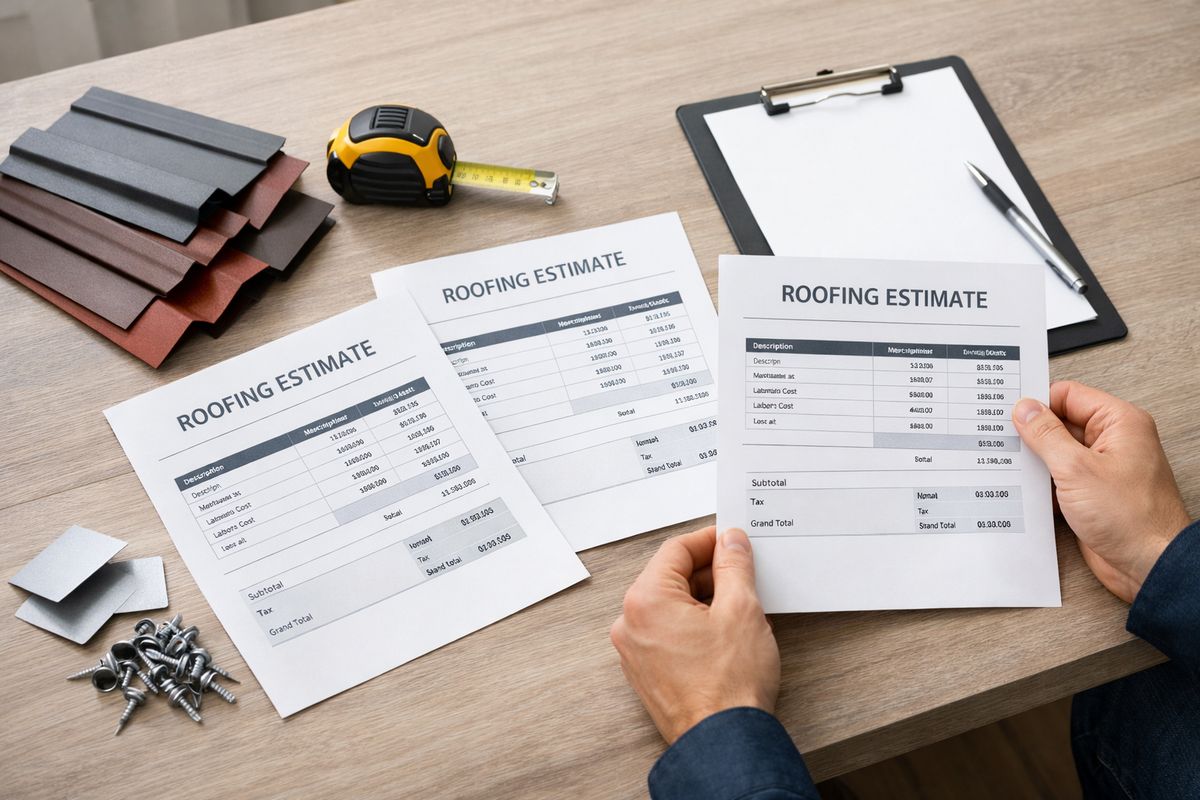
A useful estimate spells out the material type, panel profile, underlayment, flashing, fasteners, tear-off, cleanup, permit costs, ventilation work, timeline, payment schedule, and warranty terms. If damaged decking is possible, the estimate should explain how that cost would be handled instead of hiding it until the job starts.
Why the lowest bid usually comes with a catch
Price alone is a bad way to choose a metal roofing contractor. Lower bids often leave out prep work, use cheaper underlayment, stay vague about flashing, or avoid talking about rotten decking until later. With 79.2% of roofing work now tied to replacement and renovation, experience with tear-offs and hidden conditions matters more than a low headline number.
Watch for red flags that show up early
Most bad roofing jobs send up warning flares before the first panel goes on.
High-pressure sales tactics and vague promises
If you hear “today only” pricing, get pushed to sign on the spot, or cannot get written details, step back. Trust usually sounds calm and specific. Pushiness usually shows up when the actual scope cannot stand on its own.
No discussion of ventilation, flashing, or roof decking
These are the quiet parts of the roof, but they matter a lot. If the whole conversation is about panel color and curb appeal, something is missing. Leaks often start at transitions and penetrations, not in the middle of a panel.
Big deposits, unclear crews, or messy timelines
Roofing schedules can shift because of weather and labor shortages. That part is real. But honesty about timing, crew supervision, and payment terms should still be clear from the start. If you cannot tell who will be on your roof or when the work will realistically happen, keep looking.
Choose based on your situation, not just the product
Your best choice depends on why you are shopping in the first place.
If your roof is aging but not failing everywhere
A targeted repair can make sense if the problem is isolated and the roof still has solid life left. But if you keep paying for patch after patch, you are basically putting duct tape on a garden hose. At some point, replacement becomes the cheaper decision.
If storm damage or leaks pushed this decision
Get temporary protection in place fast, then insist on a clear written scope. After a strong Gulf storm, a contractor who moves quickly without skipping documentation is worth far more than one who just promises to “take care of everything.”
If insurance is involved
Look for clean photos, clear notes, and realistic communication. You want somebody who can support the claim process without making wild promises about approval or payout amounts.
Try this shortlist test before you hire anyone
Take two or three local contractors, ask the same questions, and compare the written scopes side by side. Notice who explains the roof system clearly, who documents the problem well, and who treats you like a homeowner instead of a closing target. Try that this week before signing anything.
Frequently Asked Questions
How do you know if a metal roofing contractor is actually qualified?
Check licensing, insurance, local presence, and proof of recent metal roofing jobs. Then pay attention to how clearly the contractor explains flashing, underlayment, ventilation, and the recommended system.
Is a metal roof always better than repairing your current roof?
No. A repair can be the right move if damage is limited and the rest of the roof is in good shape. Replacement makes more sense when leaks keep coming back or the roof system is wearing out across multiple areas.
What should you expect in a metal roofing estimate?
You should see the panel type, underlayment, flashing details, tear-off, cleanup, permit costs, timeline, payment terms, and warranty information. If those pieces are missing, the quote is not complete enough to compare fairly.
Are metal roofs a good fit for homes in Bradenton and Manatee County?
Yes, especially when durability, wind resistance, and long service life matter to you. The catch is that local weather performance depends heavily on proper installation, not just the material itself.
How much deposit is normal for a roofing project?
A reasonable deposit varies, but full payment upfront is a red flag. Payment terms should be written clearly and tied to real project milestones, materials, or scheduling.